Nootropic Supplement: How to Choose One
Quick answer: how do you choose a nootropic supplement?
Choose a nootropic supplement by ingredient, dose and testing, not marketing. Insist on evidence-backed actives such as citicoline, Bacopa, L-theanine and rhodiola at disclosed milligram amounts, reject proprietary blends that hide doses, demand third-party testing, and give it a fair 2 to 8 week trial while changing one variable at a time.
- First filter: a printed dose beside every active, never a blend total.
- Second filter: NSF, USP or a published certificate of analysis.
- Mindset: start one variable at a time and judge over weeks, not days.

Start with the label, not the landing page
Search "nootropic supplement" and roughly twenty-two thousand people a month land on a wall of loud promises, glowing testimonials and countdown timers. Almost none of that helps you choose. The single habit that separates a good purchase from a wasted one is boring and reliable: ignore the landing page and judge the label. A nootropic supplement is only as good as the ingredients it contains, the doses it delivers, and the testing that confirms both, and every one of those three things lives on the back of the bottle, not the front.
This guide is a framework you can apply to any brand, including ours. We will walk through the ingredients with real human evidence, the doses those studies actually used, why proprietary blends are a red flag, what third-party testing does and does not prove, how to think about stimulant versus non-stimulant formulas, and the realistic timeline over which any of this is supposed to work. Nothing here treats or cures a condition, and any product implying otherwise has told you what you need to know.
Step 1: evidence-backed ingredients, at the doses studied
The category is crowded with exotic-sounding compounds, but the ingredients with the most credible human data are a short and unglamorous list. If a formula is built around these at sensible amounts, it is already ahead of most of the shelf.
Citicoline is widely sold for attention, but the evidence is narrower than the marketing: a Cochrane review of fourteen randomised trials in older adults found benefit on memory and behaviour and explicitly no evidence of benefit on attention. Bacopa monnieri is the strongest botanical for memory, but it is a slow burner — a twelve-week randomised trial in 98 adults over 55 used a standardised extract at 300 mg daily and the benefit appeared at the end of the window, not overnight. L-theanine is the amino acid from tea, and its best evidence is as a partner rather than a soloist: in a crossover trial of 250 mg L-theanine with 150 mg caffeine, the combination improved reaction time and reduced mental fatigue while L-theanine alone did not improve attention. Rhodiola rosea is an adaptogen studied for mental fatigue and stress resilience; the best-known four-week trial in 60 people with stress-related fatigue used 576 mg a day of a standardised extract. Each of these has a dose that matters, and a label that lists the ingredient without the amount has skipped the only part that lets you check it against the science. Our deeper look at how to read a brain supplement facts panel shows exactly where to find those numbers. One caveat before you spend anything on botanicals: if a basic nutrient input is missing, fixing that comes first, and our guide to DHA, EPA and the omega-3 dose the research actually used covers the cheapest version of that problem.
Step 2: reject proprietary blends
A proprietary blend lists several ingredients under one combined weight, "Focus Matrix 650 mg", without telling you how that total is divided. It is the most common way a label hides an underdose. Blends are conventionally ordered by weight, so the first ingredient might be present in a real amount while the last three or four are essentially fairy dust, sprinkled in so their impressive names can appear on the panel. You cannot compare a blend to a study, you cannot compare two blends to each other, and you cannot tell a pharmacist how much of an interacting herb you are taking.
The counter-argument brands offer is that a blend "protects the recipe". It does not protect you. Plenty of reputable products disclose every milligram and sell perfectly well, which tells you secrecy protects the marketing far more than the formula. Treat a proprietary blend as a missing answer, and value the product as if the hidden ingredients might be present at their minimum. A nootropic supplement that prints every amount is telling you it has nothing to hide.
Step 3: third-party testing and manufacturing standards
Because dietary supplements are not approved by the FDA before sale, independent verification is how you close the trust gap. Look for two different things and do not confuse them. The first is manufacturing quality, a product made in a GMP-registered facility, which speaks to how carefully it is produced. The second, and stronger, is genuine third-party testing, an NSF or USP mark, or a published certificate of analysis for the specific lot, confirming the product contains what the label says in the amount stated, without specified contaminants.
Here is the important limit: testing verifies the label, it does not verify that the formula works. A certified accurate label on a badly designed product is still a badly designed product. So use testing as a floor you refuse to go below, then judge the formula on its ingredients and doses on top of that floor. A brand that shows both, sensible actives at studied doses and independent testing to prove the label, has earned a place on your shortlist. One step remains after the formula passes, and it is about the shop rather than the capsule: work through the checks that confirm an official website, a real support contact and refund terms before you hand over a card.
Want a nootropic supplement that passes this checklist?
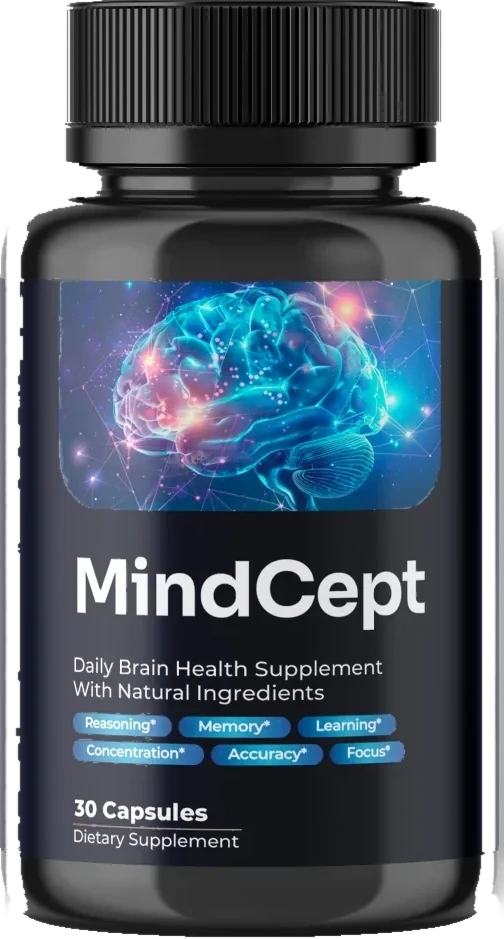
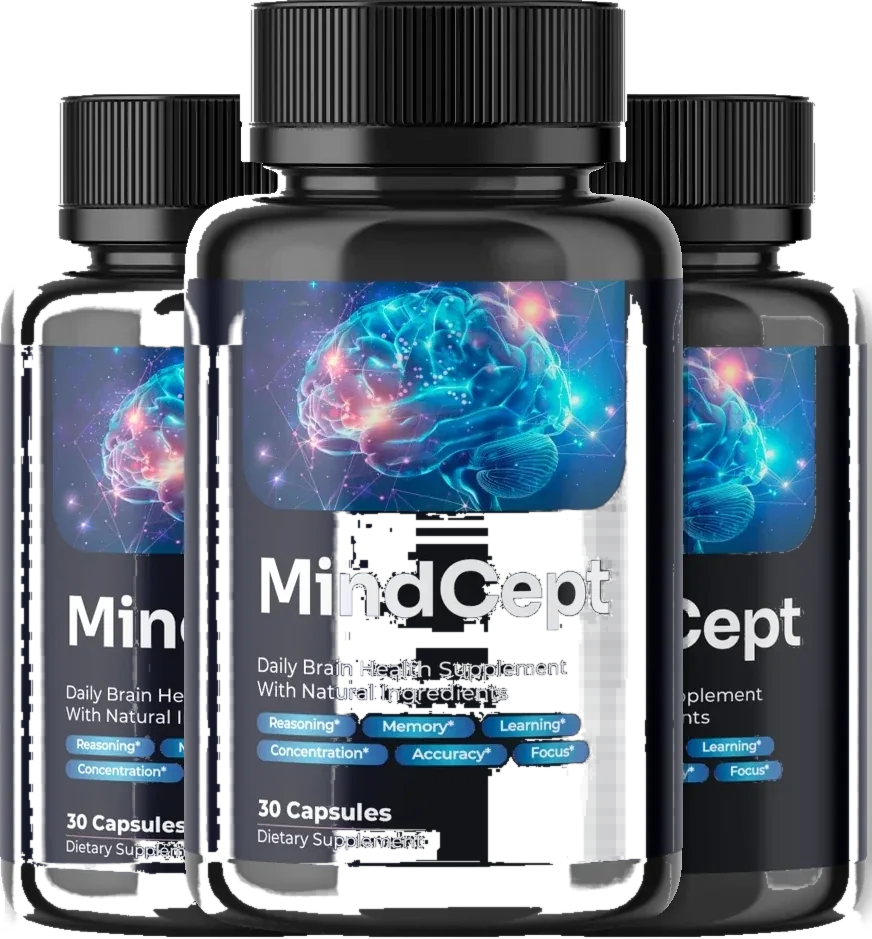
Mindcept was built for exactly the filters above: evidence-backed ingredients, a milligram amount printed beside each active, botanicals standardised, and made in a GMP-registered facility, so you can compare the label to the research.
See the Official Mindcept OfferStep 4: stimulant versus non-stimulant, chosen on purpose
Nootropic supplements split into two families, and picking the wrong one is a common, avoidable mistake. Stimulant formulas are built around caffeine, sometimes disguised as guarana or green tea extract. They give a fast, obvious lift, which feels like proof they are working, but the same mechanism brings jitters, a mid-afternoon crash, a rising heart rate and, most costly of all, disrupted sleep. And because tolerance builds, the lift fades while the sleep debt does not.
Non-stimulant nootropics, the Bacopa, citicoline, L-theanine family, work more quietly. There is rarely a dramatic first-day sensation, which is exactly why some people wrongly conclude they do nothing, but they support attention and memory without wrecking your nights or spiking your pulse. The practical rule is simple: if you sleep poorly, feel anxious, or already drink coffee, start with a non-stimulant formula. You can always add your own caffeine deliberately; it is much harder to un-ring the bell of a stimulant stack that has been quietly eroding your sleep for a fortnight.
Step 5: realistic timelines and one variable at a time
This is where most self-experiments fall apart. People expect a pill to feel like a switch, judge it after three days, feel nothing, and quit, or feel a placebo glow, credit the supplement, and keep buying something inert. Both errors come from ignoring the timeline. L-theanine and caffeine can feel quick, within an hour. Citicoline may show over days to a couple of weeks. Bacopa and rhodiola are the long game, expect two to eight weeks of consistent daily use, and for Bacopa's memory effect closer to eight to twelve, before you have anything worth judging.
The discipline that makes a trial mean something is changing one variable at a time. If you start a new nootropic supplement in the same week you also fix your sleep, cut afternoon coffee and start exercising, you will never know which change did what. Start one thing, hold everything else steady, write down a baseline in specific terms, "how often I lose the thread mid-paragraph", not "focus", and set a decision date before the first capsule. Our companion piece on starting a brain supplement one variable at a time turns this into a step-by-step routine.
Ingredients, studied doses and how fast they work
| Ingredient | Typical studied dose | Best-supported use | Realistic timeline |
|---|---|---|---|
| Citicoline | ~250–500 mg | Attention and mental energy | Days to ~2 weeks |
| Bacopa monnieri | ~300 mg standardised | Memory and recall | 8–12 weeks |
| L-theanine | ~100–200 mg | Calm, non-jittery focus | Within an hour |
| Rhodiola rosea | ~200–400 mg | Mental fatigue, stress resilience | 1–4 weeks |
Three objections, answered straight
"Aren't all nootropic supplements basically the same?" No, and the difference is precisely the doses you cannot see on many of them. Two bottles can share an identical ingredient list on the front while one delivers studied amounts and the other delivers traces inside a blend. Same names, entirely different products. That is why the checklist beats brand loyalty.
"If it were legit, wouldn't the FDA have approved it?" This misreads how the rules work. Supplements are legal without pre-market approval; the FDA acts mostly after problems appear. So "not FDA approved" is normal and expected, not a scandal, but it does shift the checking onto you, which is the whole reason third-party testing and disclosed doses matter so much.
"I tried one for a week and felt nothing, so they don't work." A week is often too short to conclude anything, especially for the slow, best-evidenced ingredients. Feeling nothing in seven days on Bacopa is expected, not disproof. Give the right ingredients the timeline the research used before you write them off.
A nootropic supplement is not chosen on the shelf by the brightest box. It is chosen on the back of the bottle, by the buyer who reads the dose, checks the testing, and gives the right ingredients enough weeks to speak.
Putting the framework together
Choosing well is not complicated, it is disciplined. Favour a short list of evidence-backed ingredients at doses that match the studies. Refuse proprietary blends. Insist on third-party testing on top of GMP manufacturing. Pick stimulant or non-stimulant on purpose, defaulting to non-stimulant if your sleep is fragile. Then run an honest trial, one variable at a time, over two to eight weeks, with a baseline and a decision date. Apply that to any brand and the marketing stops mattering, because you are grading the facts. Mindcept is designed to be graded that way, and so should everything you put beside it. For the wider landscape and specific picks, our 2026 best brain supplements buyer's guide applies this same framework across the category.
Medical note: this article is general information, not medical advice. Speak to a healthcare professional before starting any supplement, especially if you are pregnant, nursing, taking medication, or managing a health condition. Some botanicals interact with prescriptions and stimulant formulas can affect blood pressure and sleep.
Frequently asked questions
What should I look for in a nootropic supplement?
Look for evidence-backed ingredients at disclosed doses, standardisation named on every botanical, no proprietary blends hiding the amounts, and independent third-party testing such as NSF or USP or a published certificate of analysis. Then match the doses on the label to what human studies actually used, for example citicoline, Bacopa around 300 mg, L-theanine and rhodiola near 200 to 400 mg. If those doses are printed and testing is shown, you can judge the product on facts rather than marketing.
Are nootropic supplements safe to take daily?
For most healthy adults the common non-stimulant ingredients such as Bacopa, L-theanine and citicoline are generally well tolerated day to day at studied doses, and several actually need daily use for weeks before any benefit appears. Safety is individual, though. Herbs can interact with medication, stimulant versions can affect sleep and blood pressure, and pregnancy or a health condition changes the calculation, so confirm with a pharmacist or doctor before starting a daily routine.
Stimulant vs non-stimulant nootropics: which is better?
Neither is better in the abstract, they suit different goals. Stimulant formulas built around caffeine give a fast, obvious lift but can bring jitters, an afternoon crash and disrupted sleep, and the effect fades as tolerance builds. Non-stimulant nootropics such as Bacopa, citicoline and L-theanine work more quietly and often need weeks of consistent use, but they do not wreck your sleep or spike your heart rate. If you sleep poorly or feel anxious, start non-stimulant.
How do I know if a nootropic supplement is legit?
A legitimate nootropic supplement discloses a milligram amount for every active, names the standardisation on botanical extracts, shows third-party testing or a certificate of analysis, and makes honest support claims rather than promising to cure anything. Warning signs are proprietary blends that hide doses, miracle before-and-after promises, invented awards and pressure countdown timers. If a brand shows its doses and its testing and talks in careful language, that is what legitimacy looks like.
Related reading
Scientific references
- NIH NCCIH — Dietary and herbal supplements: evidence overview
- Kongkeaw C. et al. — Meta-analysis of Bacopa monnieri and cognition (2014)
- NIH Office of Dietary Supplements — ingredient fact sheets
- USP — what the Verified Mark and third-party testing confirm
- U.S. FDA — Dietary Supplements: regulation and labelling
Run the checklist against Mindcept
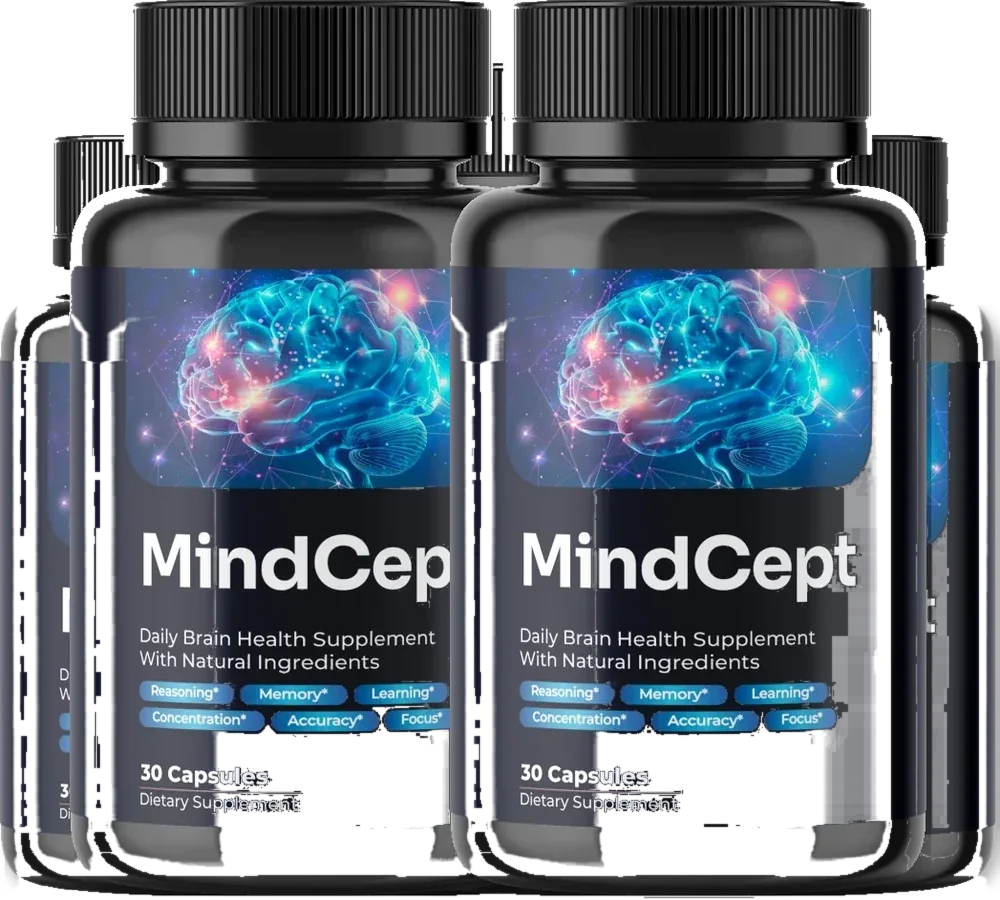
Six evidence-backed nootropic ingredients in one daily capsule, every amount printed and every botanical standardised, so you can grade it on facts instead of marketing.
Check the Official Store