Nootropics Explained: A Beginner's Guide to Getting Started Safely
Quick answer: what exactly are nootropics and how do they work?
Nootropics are substances taken to support cognitive functions such as memory, focus, learning and mental energy. Natural ones work differently: some steady neurotransmitters, some improve blood flow, and some, like L-theanine, promote calm, focused attention. For a beginner, the safe path is clinically studied doses, one compound at a time, and a doctor check if you take medication.
- What they are: cognitive-support compounds, not stimulants by definition.
- Two speeds: fast-acting (30–60 min) and slow-building (4–8 weeks).
- Beginner rule: one new variable at a time, at a studied dose.

If you have spent any time on productivity forums or wellness videos, you have met the word nootropics attached to a lot of noise: talk of "limitless pills," biohackers stacking a dozen powders, and claims that sound closer to science fiction than to a supplement aisle. Strip that away and the reality is calmer and more useful. Nootropics are simply substances people take to support how the brain performs — memory, focus, learning, mental energy — and the most sensible ones for a beginner are familiar, well-studied and non-dramatic.
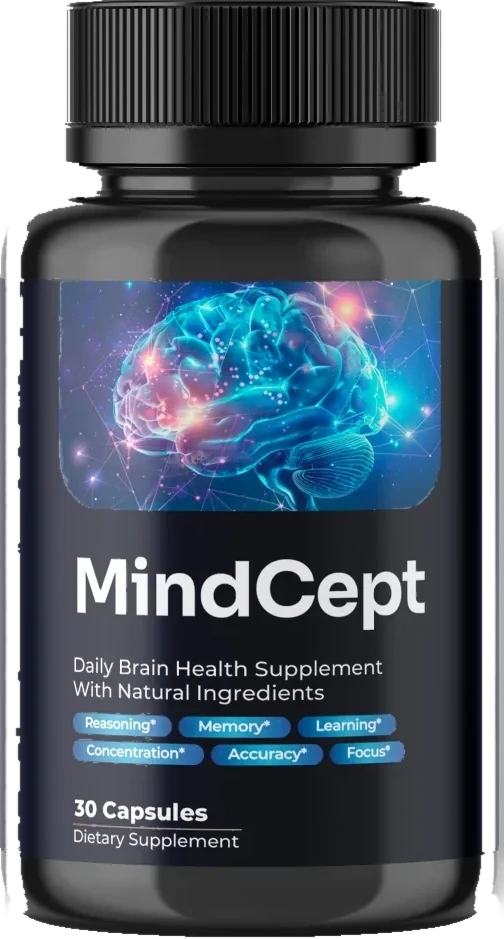
The interest is not niche. "Nootropics" draws around 74,000 searches a month and has stayed steady for years, which tells you a lot of people are asking the same beginner questions you are. This guide answers them in plain English: what the word actually means, the main natural categories, why some compounds work in an hour and others take a month, and the small set of rules that separate a safe, sane start from an expensive, confusing one. Mindcept shows up later as a worked example of a beginner-friendly, non-stimulant stack — but first, the concepts.
What "nootropic" actually means
The term was coined in the 1970s and originally implied a substance that supported cognition while being notably safe and gentle on the brain. In everyday use today it has widened to cover almost anything taken for a mental edge, from a cup of coffee to prescription medications used off-label. That breadth is exactly why beginners get confused: two things called "nootropics" can be as different as an amino acid in green tea and a controlled pharmaceutical.
For a beginner, the useful mental model is to ignore the fringe and focus on natural, well-studied nootropics — amino acids, botanical extracts, phospholipids and vitamins with a track record in human research. These are the compounds with reasonable safety data and realistic, modest benefits. They will not turn you into a different person. Used well, they can support the ordinary cognitive functions you already have on a normal, slightly tired day.
How natural nootropics work, without the jargon
There is no single mechanism, which is part of why the category feels murky. Broadly, natural nootropics act through a handful of understandable routes:
- Neurotransmitter support. Some, like citicoline, supply raw materials the brain uses to make acetylcholine, a chemical central to memory and attention.
- Blood flow. Some botanicals are studied for supporting circulation to the brain, on the simple logic that neurons work better when well supplied.
- Stress and calm. Adaptogens and amino acids such as L-theanine influence the brain's stress response, producing a calmer, less scattered kind of focus.
- Structural and long-term support. Compounds like lion's mane and Bacopa monnieri are studied over weeks for gradual support of brain function rather than a same-day lift.
That last distinction — a same-day lift versus a slow build — is the single most important thing a beginner can understand, so it gets its own section.
The two speeds: fast-acting vs slow-building nootropics
Nearly every beginner mistake traces back to confusing these two categories and judging one by the other's clock.
Fast-acting nootropics are felt within roughly 30 to 60 minutes. The classic beginner example is the pairing of caffeine and L-theanine. Caffeine you know; L-theanine is an amino acid from tea that takes the jittery edge off caffeine and adds a smooth, focused calm. Together they produce alert-but-relaxed attention, and you notice it the same session. This is one of the few nootropic claims with a clean crossover trial behind it: a study in Biological Psychology testing 250 mg L-theanine and 150 mg caffeine alone and combined found that the pair, but not L-theanine on its own, improved simple reaction time, working-memory reaction time and self-reported alertness. Because the effect is immediate, it is easy to evaluate — you either feel steadier and more focused or you do not.
Slow-building nootropics work on a completely different timeline. Bacopa monnieri, the most studied memory botanical, and lion's mane mushroom are the archetypes: they are taken daily and typically need four to eight weeks of consistent use before benefits appear. The twelve-week Bacopa trial in adults over 55 and the 16-week lion’s mane trial in 30 older adults both measured their outcomes at the end of that long window, and in the lion’s mane study the gains faded within four weeks of stopping. There is no dramatic "on" moment. Judged after a single dose, they feel like nothing, which is exactly why impatient beginners abandon them a week in and conclude, wrongly, that they do not work.
The safe, well-studied options to start with
You do not need an elaborate stack. A short list of ingredients carries most of the reliable, beginner-friendly evidence and safety:
- L-theanine — calm, focused attention; excellent safety; works fast and pairs well with caffeine.
- Citicoline — supports acetylcholine for attention and memory; well tolerated in research.
- B vitamins — unglamorous but foundational, since deficiencies in B6, B9 and B12 directly affect cognition and mood; the VITACOG trial found that lowering homocysteine with these three slowed the rate of brain atrophy in older adults with mild cognitive impairment.
- Bacopa monnieri — the strongest slow-building memory evidence, over 8 to 12 weeks.
- Lion's mane — encouraging but still limited human data; a reasonable slow-building addition.
Notice what dominates that list: gentle, non-stimulant compounds. This matters because a lot of beginners assume "nootropic" means "big jolt of energy" and reach for heavily caffeinated products that leave them wired and crashing. A non-stimulant foundation is the calmer, more sustainable place to begin, and it is the philosophy behind the Mindcept example below.
A worked example of a beginner stack
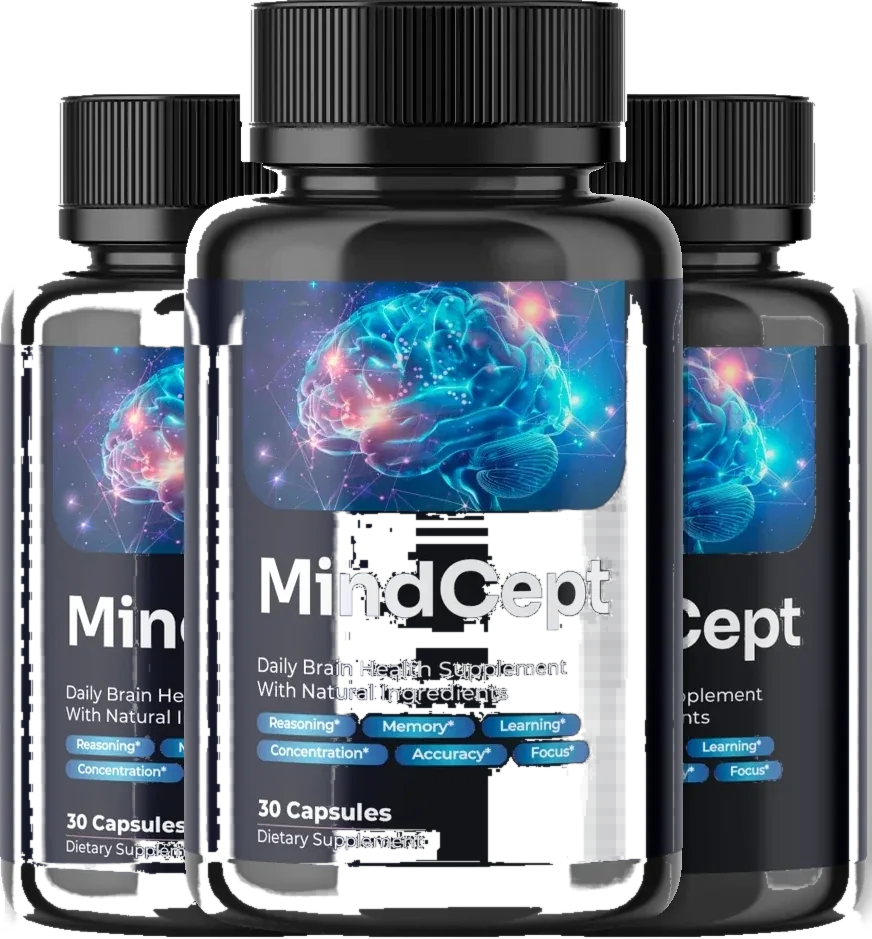
Instead of buying five powders and guessing at doses, a beginner-friendly, non-stimulant formula does the assembly for you. Mindcept combines slow-building botanicals with calming L-theanine at disclosed amounts — the amounts printed on the label, not hidden in a proprietary blend.
See the Official OfferHow to start safely: the rules that matter most
Getting started well is less about which nootropic and more about how you introduce it. Four rules cover almost everything.
1. Use clinically studied doses. An ingredient at a token amount is theatre. Match the dose to what human studies used — roughly 300 mg of standardised Bacopa, 100 to 200 mg of L-theanine — and be suspicious of proprietary blends that hide how much of each ingredient you are actually getting.
2. One compound at a time. If you start three things at once and feel better, you have learned nothing about which one did it, and if you feel worse you cannot tell which to drop. Introduce a single new variable, give it a fair window, then decide. This is the most valuable habit in the entire hobby, and our deeper walkthrough of starting a brain supplement one variable at a time shows exactly how to run it.
3. Match your patience to the compound. Give fast-acting options a fair few sessions and slow-building ones a full four to eight weeks before judging. Write the start date down.
4. Check with a doctor if you take medication. Natural does not mean inert. Some botanicals interact with blood thinners, blood pressure and other prescriptions. A five-minute conversation with a pharmacist, label in hand, removes most of the risk.
The beginner who changes one thing at a time and waits the right number of weeks will learn more in two months than the one who stacks ten ingredients and changes them all every Monday.
Three myths worth clearing up
Myth 1: nootropics are basically legal Adderall. The natural nootropics a beginner should start with are nothing like prescription stimulants. Their effects are modest and supportive. Expecting a pharmaceutical-grade jolt guarantees disappointment and pushes people toward riskier products.
Myth 2: more ingredients means a better product. A label crammed with 25 ingredients usually means each is present in a sprinkle too small to matter, and the drugstore best-sellers are the clearest illustration — our breakdown of the FocusFactor label shows a long vitamin column wrapped around a blend whose cognitive amounts are never disclosed. A shorter list at proper doses beats a long list of pixie dust every time, which is exactly why learning to choose a nootropic supplement without the hype is worth the fifteen minutes.
Myth 3: if you feel nothing on day one, it does not work. For slow-building nootropics this is precisely backwards. Feeling nothing at first is the expected experience; the benefit, if it comes, accumulates quietly over weeks.
Beginner nootropics at a glance
| Nootropic | Speed | What it supports | Typical studied dose | Beginner note |
|---|---|---|---|---|
| Caffeine + L-theanine | Fast (30–60 min) | Alert, calm focus | ~100 mg + ~200 mg | Easiest to evaluate; watch caffeine sensitivity |
| L-theanine (alone) | Fast | Calm attention, less jitter | ~100–200 mg | Best non-stimulant starting point |
| Citicoline | Building | Attention, memory | ~250–500 mg | Well tolerated; supports acetylcholine |
| B vitamins | Building | Baseline cognition, energy metabolism | Around daily requirement | Most useful if you are actually low |
| Bacopa monnieri | Slow (4–8+ weeks) | Memory | ~300 mg standardised | Take with food; be patient |
| Lion's mane | Slow | General brain support | Varies by extract | Encouraging but limited human data |
What natural nootropics can and cannot do
Honesty is the kindest thing a beginner's guide can offer. Natural nootropics support everyday cognitive function in generally healthy people: attention on a long afternoon, recall, mental stamina, a feeling of clarity. In good studies the effects are real but small, they often build slowly, and they vary widely between individuals — what noticeably helps your friend may do little for you. That is normal, and it is why the one-variable-at-a-time method matters so much.
What they are not is medicine. Nootropics do not diagnose, treat, cure or prevent any disease, and no supplement is required to prove it works before going on sale. If you are dealing with persistent brain fog, memory changes that interfere with daily life, or low mood that will not lift, that is a reason to see a doctor, not a reason to buy a bigger stack. Used within those limits, nootropics are a modest, sometimes genuinely useful tool — and starting simple, slow and singular is how you find out whether they help you specifically.
Medical note: this article is general information, not medical advice. Nootropics support everyday cognitive function in healthy adults; they do not diagnose, treat, cure or prevent any disease. Speak to a healthcare professional before starting, especially if you take prescription medication, are pregnant or nursing, or manage a health condition.
Frequently asked questions
What exactly are nootropics and how do they work?
Nootropics are substances taken to support cognitive functions such as memory, focus, learning and mental energy. Natural ones work in different ways: some raise or steady neurotransmitters like acetylcholine, some improve blood flow, some support the brain's stress response, and some, like L-theanine, promote calm, focused attention. Effects are supportive, not a cure for any condition.
Are natural nootropics safe for beginners?
Well-studied natural nootropics such as L-theanine, citicoline and B vitamins have strong safety records at the doses used in research, which makes them reasonable starting points. Safety still depends on the dose, the ingredient and your own health, so begin with clinically studied amounts, add one compound at a time, and check with a doctor first if you take prescription medication.
Which nootropic should a beginner start with?
A common, gentle starting point is the combination of caffeine and L-theanine, which pairs alertness with calm and is noticeable within 30 to 60 minutes. If you prefer to avoid stimulants entirely, L-theanine on its own, citicoline or a B-vitamin complex are sensible first steps. Whatever you choose, introduce only one new thing at a time so you can tell what works.
How long do nootropics take to work?
It depends on the type. Fast-acting nootropics such as caffeine with L-theanine are felt within 30 to 60 minutes. Slow-building botanicals such as Bacopa monnieri and lion's mane work gradually and typically need four to eight weeks of consistent daily use before benefits appear, so they should be judged over weeks, not on the first dose.
Scientific references
- NIH NCCIH — Alzheimer’s disease at a glance: dietary supplements and the evidence
- Haskell C.F. et al. — The effects of L-theanine, caffeine and their combination on cognition and mood, Biological Psychology (2008)
- Kongkeaw C. et al. — Meta-analysis of Bacopa monnieri and cognition (2014)
- NIH Office of Dietary Supplements — Fact sheets on B vitamins and supplement labelling
- NIH National Institute on Aging — Cognitive health and older adults
Related reading
Start simple with a non-stimulant stack
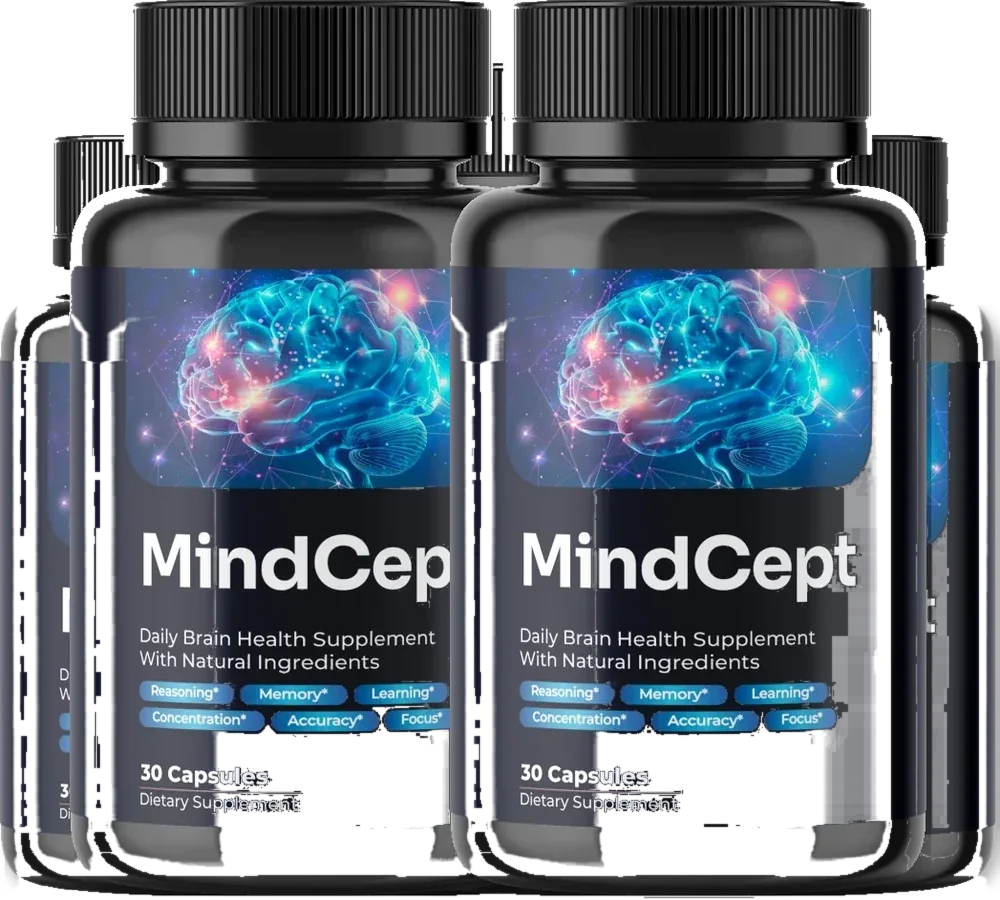
If you would rather begin with one disclosed formula than assemble a cabinet of powders, Mindcept is a beginner-friendly, non-stimulant place to start — ingredients and amounts printed in the open, and a straightforward guarantee.
Check the Official Store