FocusFactor vs Mindcept: Which Brain Supplement Wins?
Quick answer: FocusFactor vs Mindcept, which one wins?
It depends on what you want to pay for. FocusFactor is largely a multivitamin wrapped around a proprietary blend, so its nootropic doses are hidden and much of the bottle is common vitamins. Mindcept is a focused nootropic panel that prints a milligram amount beside each active. For verifiable dosing, Mindcept wins on transparency.
- FocusFactor: cheap per bottle, but mostly vitamins plus an undisclosed blend.
- Mindcept: costs more, spends it on disclosed, standardised nootropic doses.
- Deciding line: compare price per day for ingredients you can actually see.
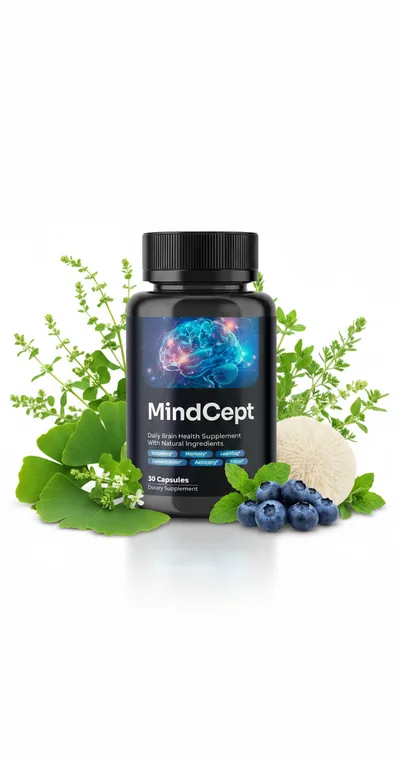
Why the FocusFactor vs Mindcept comparison is worth doing properly
FocusFactor is one of the most recognisable brain supplements on the drugstore shelf, and roughly eight thousand people search for it every month. That familiarity is exactly why it deserves a careful FocusFactor vs Mindcept comparison rather than a reflexive add-to-cart. The most-advertised bottle is not automatically the best-formulated one, and when you are spending money on your concentration and memory, the interesting question is not which brand you have heard of most, but which label you can actually verify against the research.
Both products live in the same broad category, everyday cognitive support for generally healthy adults, and both are honest-to-goodness dietary supplements rather than medicines. Neither treats, cures or prevents any condition, and any page that tells you otherwise is one to close. What separates them is how they are built, what they disclose, and where your money actually goes. So let us take them apart calmly, ingredient by ingredient, dose by dose, dollar by dollar.
What FocusFactor actually is: a multivitamin with a blend attached
The single most useful fact about FocusFactor is one the front of the box does not emphasise: the bulk of a serving is a multivitamin. Turn the bottle around and you will find a long column of vitamins and minerals, several of them dosed well above the standard daily requirement. Bolted onto that base is a proprietary "Synergy Complex" botanical blend that includes ingredients people associate with cognition, such as bacopa, DMAE and a scatter of herbal extracts.
None of that makes FocusFactor a bad product. A multivitamin can be genuinely useful if your diet leaves gaps, and there is now randomised evidence bearing directly on the cognitive question: the COSMOS clinic sub-study in the American Journal of Clinical Nutrition randomised older adults to a daily multivitamin-mineral or placebo and found a small but statistically significant two-year advantage in episodic memory, with no significant effect on executive function or attention. Pooled across the three COSMOS cognitive sub-studies the effect on global cognition was equivalent to about two years of cognitive ageing — real, measurable, and much smaller than any brain-supplement advertisement implies. But it does mean the honest description is a multivitamin with a small nootropic blend, not a dedicated nootropic. The reason this matters becomes obvious the moment you try to answer a simple question: how many milligrams of bacopa are in a serving? You cannot find out, because a proprietary blend is listed as one combined weight. That is the whole problem, because the bacopa evidence is dose-anchored: the trial that found better delayed recall in older adults used 300 mg a day of a standardised extract for twelve weeks, and a blend total cannot be held against that figure. The individual amounts are hidden by design, and a hidden dose is a dose you cannot compare to any study.
The vitamin megadosing question
Because FocusFactor is built on a large vitamin base, it raises a question that a lean nootropic formula does not: what happens when several vitamins sit well above the daily value, day after day? For the water-soluble vitamins, the usual answer is that your body excretes the excess, which is harmless to your health but not to your wallet, you are quite literally paying for something you flush away. The fat-soluble vitamins and several minerals are the ones with published tolerable upper intake levels worth respecting. The picture is more nuanced for the fat-soluble vitamins and for a few minerals, where sustained high intakes are worth a glance from a pharmacist, especially if you already take a separate multivitamin or a fortified food habit on top.
The practical takeaway is not alarm, it is arithmetic. If a large slice of the bottle is vitamins you already get from a balanced diet or a basic multi, then the part of the product doing distinctively cognitive work is the small proprietary blend, and that is the part you cannot see. Understanding how to read those numbers is a skill in itself, and our walkthrough on how to read a brain supplement facts panel shows exactly where blends hide the detail that matters.
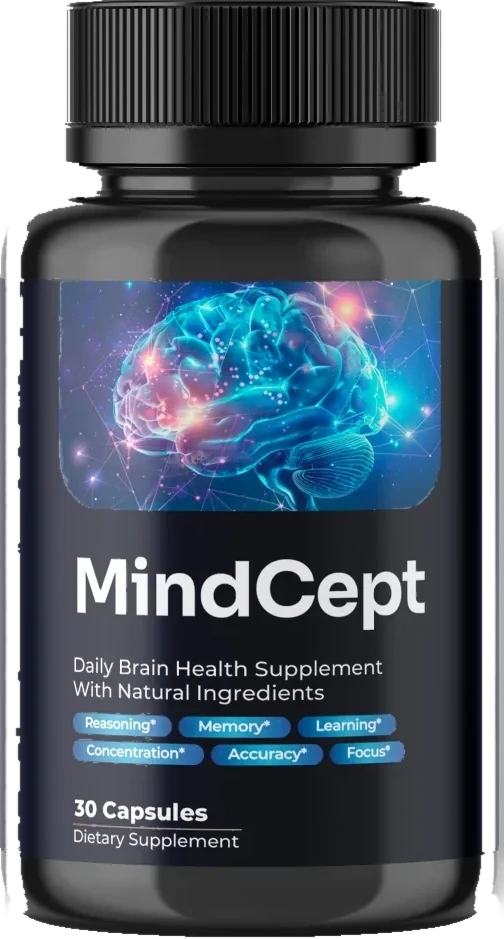
How Mindcept is built differently
Mindcept starts from the other end of the problem. Rather than a broad vitamin base with a cognitive blend attached, it is a focused nootropic panel where each active ingredient carries its own disclosed milligram amount, and botanical extracts name their standardisation, the extract ratio or marker-compound percentage that tells you the potency actually matches what trials used. That is a deliberately different philosophy: fewer ingredients, each one visible, each one at an amount you can hold up against the published research.
This does not make Mindcept magic, and we are not going to pretend a finished multi-ingredient supplement is identical to any single studied dose, because it is not. But transparency changes what you are able to check. With a disclosed panel you can ask whether the bacopa is standardised and in the studied range, whether an amino acid such as L-theanine is present at a sensible amount, and whether the label is honest about serving size. With a proprietary blend, every one of those questions returns the same answer, which is that you are not allowed to know.
FocusFactor vs Mindcept, side by side
| Factor | FocusFactor | Mindcept |
|---|---|---|
| Core design | Multivitamin base plus proprietary blend | Focused nootropic panel |
| Per-ingredient dose shown | No, blend listed as one total | Yes, milligrams beside each active |
| Botanical standardisation named | Not disclosed for the blend | Named per botanical extract |
| Vitamin content | Large, several above daily value | Minimal, spend concentrated on nootropics |
| What you can verify vs studies | Little, doses hidden | Directly, doses printed |
| Honest claim ceiling | Supports focus; not a cure | Supports focus; not a cure |
Read that table and the pattern is clear. On the measures that let a buyer make an informed decision, disclosed dose, named standardisation, and where the money is concentrated, Mindcept is the more legible product. FocusFactor's advantage is price and shelf familiarity, which are real but are not the same thing as formulation quality.
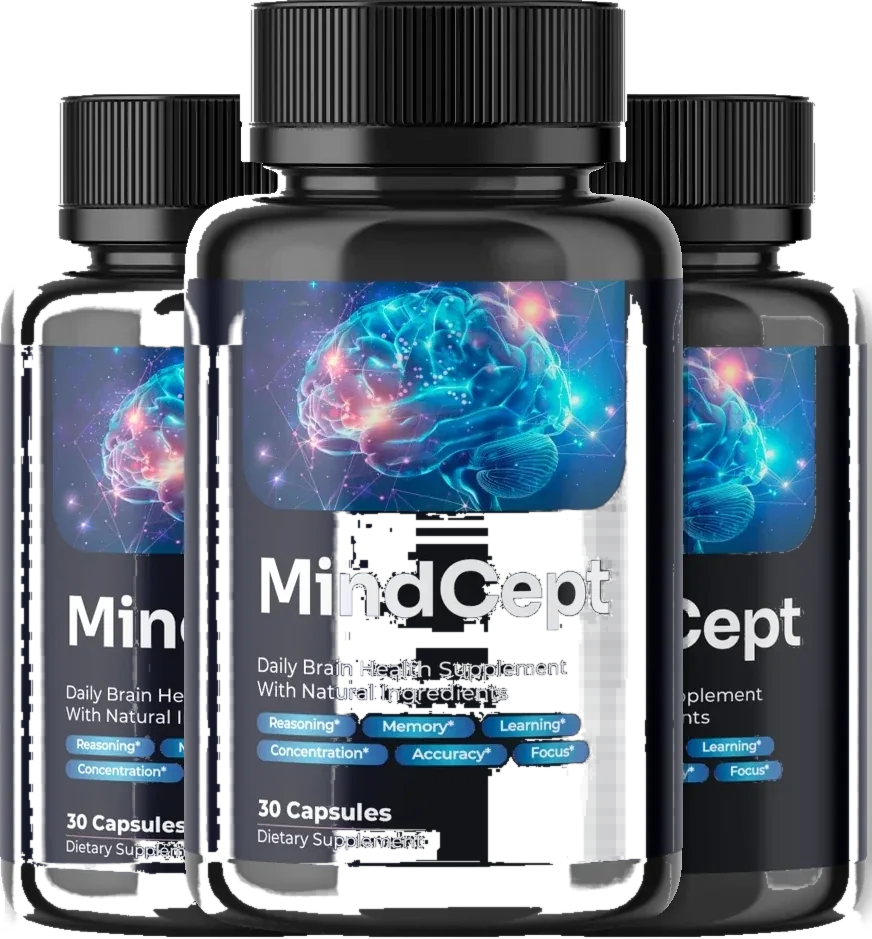
Want to see the doses FocusFactor keeps in a blend?
Mindcept prints a milligram amount next to every active and names the standardisation on each botanical, so you can compare the label against the research instead of guessing at a proprietary total.
See the Official Mindcept OfferThe value question: price per day, not price per bottle
FocusFactor usually wins on the sticker. It is inexpensive per bottle, widely stocked, and easy to grab on a routine pharmacy trip. But sticker price is the wrong unit. The right unit is cost per day for something you can verify, and when you convert both products to a per-day figure, the comparison shifts. A large share of FocusFactor's low price is buying common vitamins and minerals, many of which you may already get from food or a basic multivitamin you own. Strip those out and the per-day cost of the part doing distinctive cognitive work, the hidden blend, is harder to pin down precisely because it is hidden.
Mindcept costs more per bottle, and it is fair to say so plainly. What that higher price buys is concentration of spend: fewer filler vitamins, more of your money on disclosed nootropic doses at named standardisations. Whether that trade is worth it depends entirely on what you are trying to achieve. If you mainly want cheap insurance against a dietary vitamin gap, an ordinary multivitamin, or FocusFactor, does that job at low cost. If you specifically want nootropic ingredients at doses you can check, you are paying for visibility, and visibility is the thing FocusFactor's blend structure cannot offer at any price.
Three objections worth answering honestly
"FocusFactor has clinical backing, doesn't that settle it?" FocusFactor has referenced a company-sponsored study on its multivitamin formula, and sponsored research is not automatically worthless, but it is not the trump card the marketing implies. A single sponsored trial on a whole product is a much weaker basis than independent evidence on standardised ingredients at known doses, and it still cannot tell you how much of any active is inside a proprietary blend. Evidence quality, not merely the existence of a study, is what matters.
"A proprietary blend protects the recipe, so hiding doses is normal." It is common, but common is not the same as buyer-friendly. Plenty of reputable brands disclose every amount and still sell perfectly well, which tells you the secrecy protects marketing more than it protects a formula. When a label will not show you the dose, the safest assumption is to treat that as the answer and value the product accordingly.
"They both promise sharper focus, isn't that the same claim?" The words look similar, but the honest ceiling for either product is support, not cure. Neither FocusFactor nor Mindcept treats a diagnosed condition — dietary supplements may not claim to diagnose, treat, cure or prevent disease — and persistent problems with memory, attention or mood are a reason to see a clinician, not to reach for a supplement. The difference is that Mindcept lets you check whether its support is dosed like the research, and FocusFactor does not.
"Can I just compare their customer ratings?" Not usefully. FocusFactor sells through retail marketplaces that carry buyer ratings; Mindcept sells direct, so no equivalent independent pool exists. Comparing a marketplace score against no score at all is not a comparison, and it is why we argue for judging a direct-sold supplement on its label and guarantee rather than its testimonials.
The most-advertised bottle is rarely the most transparent one. In a FocusFactor vs Mindcept decision, the tie-breaker is not the brand you recognise, it is the label you can actually read.
So which one wins?
If "wins" means cheapest and most familiar, FocusFactor takes it, and if a broad vitamin top-up is genuinely what you are after, that is a reasonable buy. But if "wins" means the product that lets a careful shopper verify what they are taking, compare it against studies, and know where the money went, Mindcept is the clearer choice because its doses are disclosed and its botanicals are standardised. The right answer is the one that matches your goal, and the only way to choose well is to stop comparing front-of-box promises and start comparing the facts panels. For the bigger picture beyond these two, our 2026 buyer's guide to the best brain supplements and our framework for choosing a nootropic supplement by dose and testing both apply the same lens to the whole category.
Medical note: this article is general information, not medical advice, and is not affiliated with or endorsed by FocusFactor. Speak to a healthcare professional before starting any supplement, particularly if you take prescription medication, are pregnant or nursing, or already take a separate multivitamin.
Frequently asked questions
Is FocusFactor a nootropic or just a multivitamin?
It is mostly a multivitamin. The bulk of a FocusFactor serving is vitamins and minerals, several of them well above the daily requirement, wrapped around a proprietary botanical blend that includes ingredients such as bacopa and DMAE. Because that blend is listed as a single combined weight, the amount of any individual nootropic is not disclosed, so it is fairer to call FocusFactor a multivitamin with a small nootropic blend rather than a dedicated nootropic.
How does FocusFactor compare to Mindcept?
The core difference is transparency. FocusFactor leans on a large vitamin and mineral base plus a proprietary blend, so you cannot see how much of each cognitive ingredient you are getting. Mindcept is built the other way around, as a focused nootropic panel that prints a milligram amount next to each active. Neither treats a condition, but if you want to compare a label against the research, disclosed doses make that possible and a proprietary blend does not.
Does FocusFactor really improve concentration?
The honest answer is that individual results vary and the marketing runs ahead of the evidence. Correcting a genuine vitamin shortfall can help how you feel, and some of the blend ingredients have research behind them at the right doses. But because FocusFactor hides the per-ingredient amounts, there is no way to confirm the nootropic actives match the doses used in studies. Treat any concentration benefit as possible support, not a guarantee, and never as a cure.
Which is better value, FocusFactor or Mindcept?
Value is not the sticker price, it is cost per day for something you can actually verify. FocusFactor is inexpensive per bottle but a large share of that is common vitamins you may already get from food or a basic multivitamin. Mindcept costs more per bottle but concentrates the spend on disclosed nootropic doses. Work out the price per day and decide what you are paying for, ingredients you can see or a blend you cannot.
Related reading
Scientific references
- NIH Office of Dietary Supplements — vitamin, mineral and daily value fact sheets
- U.S. FDA — Dietary Supplements: labelling and proprietary blend rules
- Kongkeaw C. et al. — Meta-analysis of Bacopa monnieri and cognition (2014)
- NIH NCCIH — Dietary and herbal supplements: what the evidence shows
- NIH National Institute on Aging — Cognitive health and older adults
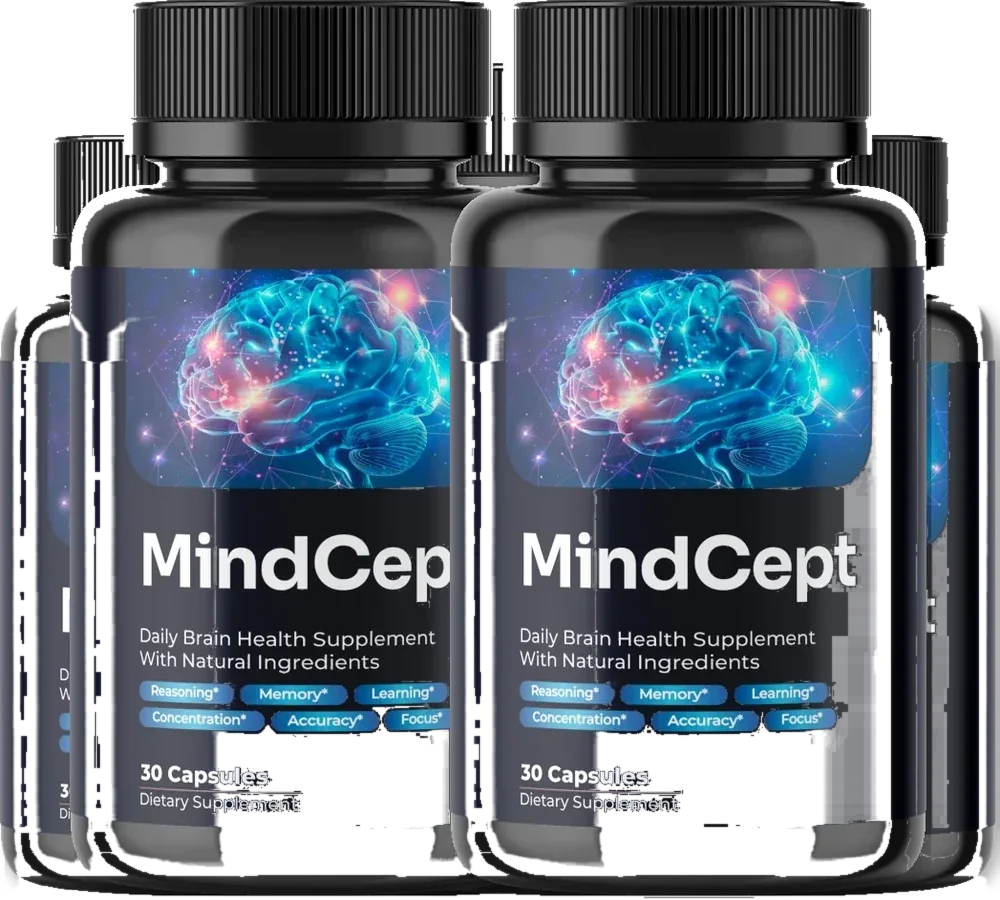
Compare the labels, then decide
Mindcept puts six nootropic ingredients in one daily capsule with every amount printed and every botanical standardised, the transparency a proprietary blend cannot match.
Check the Official Store