Mindcept Reviews: What Buyers Report and How to Judge It
Quick answer: what do buyers actually report about Mindcept?
We do not collect, host or publish customer ratings for Mindcept, so there is no score for us to quote and we will not invent one. What can be checked without a testimonial is the part that matters most: the label names every active and its amount, the formula leads with ingredients that have published human trials behind them, and the official store sells a one-time purchase with a 60-day money-back guarantee. What cannot be checked is the finished capsule, which has never been through a trial of its own.
- What we will not do: quote a star score or publish testimonials we cannot verify.
- What is verifiable: the disclosed label, the refund window, the ingredient trials.
- How to decide: an eight to twelve week trial with a written baseline and a stop date.
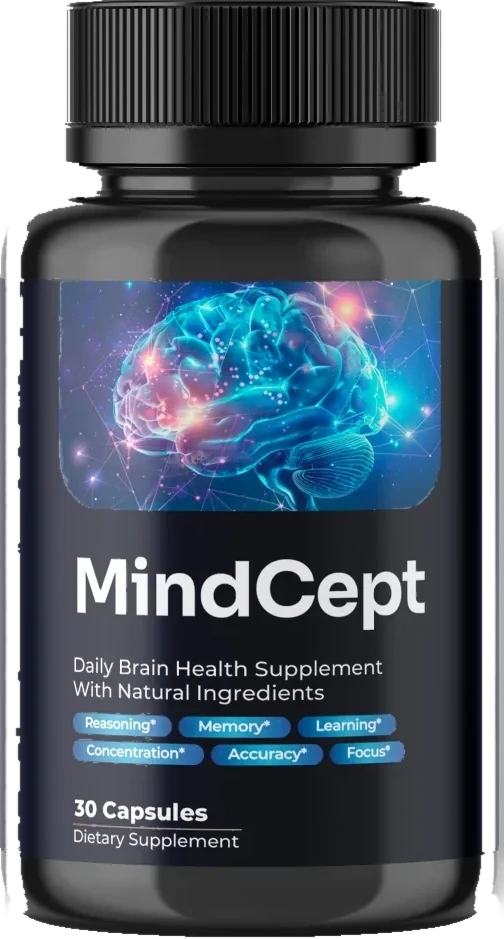
People searching for feedback on a supplement are usually asking three questions: is this real, does it do anything, and will I lose my money. They deserve a straighter answer than a page of glowing quotes. This article contains no testimonials, ratings or score. It sets out what can genuinely be verified about Mindcept, what cannot, and how to run the only test whose result actually applies to you.
Why feedback on a direct-to-consumer supplement is hard to verify
Mindcept is sold direct from the manufacturer rather than through a marketplace, and that single fact changes what buyer feedback can tell you. A marketplace listing at least carries a verified-purchase flag connecting a comment to a transaction. For a direct-sold product there is no independent register of who bought it, so a page of quotes on any website — including this one — carries no external check at all. Treat any precise score you find as unverifiable unless the page says where it came from.
That vacuum gets filled. Affiliate sites routinely publish invented testimonials and scores for products they have never handled, which is why the US Federal Trade Commission maintains guidance on it: the FTC endorsement guides require an endorsement to reflect the honest opinion of an actual user, and any material connection between publisher and seller to be disclosed clearly. We are an affiliate for Mindcept, we say so on every page, and the cleanest way to honour that rule is to publish no testimonials rather than ones we cannot stand behind.
What can be verified about Mindcept without a single testimonial
Strip out the feedback and a surprising amount remains checkable, because it is printed rather than reported.
The label discloses its amounts. Every active carries its own figure rather than disappearing into a blend total, which is the single feature that makes a supplement arguable at all: a disclosed amount can be held against the dose a published trial used. Our line-by-line walkthrough of how to read a supplement facts panel covers the order to read those numbers in.
The claims stay on the right side of the line. Mindcept is presented as support for everyday memory, focus and mental clarity, not as a treatment. That is not modesty, it is the law: dietary supplements are not approved by the FDA before sale and may not claim to diagnose, treat, cure or prevent any disease. A brain supplement promising to reverse decline has told you something important about itself before you read anything else.
The purchase terms are legible. The official store sells a one-time purchase backed by a 60-day money-back guarantee rather than a trial that converts into a recurring charge; the rebill trap is the most common genuine complaint in this category, and its absence is worth more than any testimonial. And the ingredient evidence is public — every study behind the formula is on PubMed, including the ones that undercut the marketing.
What the ingredient evidence predicts you will and will not notice
This is the honest substitute for customer reports: instead of asking what strangers say happened, ask what the trials on these ingredients found.
Bacopa monnieri is the strongest card, and it is slow. A twelve-week randomised, placebo-controlled trial in 98 healthy Australians over 55 gave 300 mg a day of standardised extract and found significant gains in verbal learning, memory acquisition and delayed recall, alongside more frequent digestive side effects than placebo. A 2014 meta-analysis pooling nine trials in 518 people found its clearest signal on the speed of attention rather than raw recall, and included only studies dosing for twelve weeks or longer. The prediction that follows is specific: if anything shows up it should be modest, concern recall or mental speed, and not appear in week one.
L-theanine is the fast one, and its evidence is about company. In a randomised crossover study in Biological Psychology, 250 mg of L-theanine with 150 mg of caffeine improved reaction time and cut self-reported mental fatigue, while L-theanine alone did not improve attention. A same-day calm-focus effect is the plausible mechanism there, and it says nothing about the memory side of the formula.
Phosphatidylserine is real but narrow. A six-month randomised trial in 78 older Japanese adults with memory complaints found gains in delayed verbal recall, but only in the participants who scored lowest at baseline, and scores rose in the placebo group too.
Ginkgo, rhodiola and lion’s mane are the thin end. The Ginkgo Evaluation of Memory trial in JAMA, which followed 3,069 adults aged 75 and over for a median of six years, found no reduction in dementia incidence. We would rather say so here than leave you to find it.
Two limits apply throughout. Each study tested one ingredient alone, so no finished capsule inherits those results by listing the same plant names, and none of it is evidence about a disease. Our wider ranking of which memory supplements actually work puts the same ingredients side by side with the rest of the category.
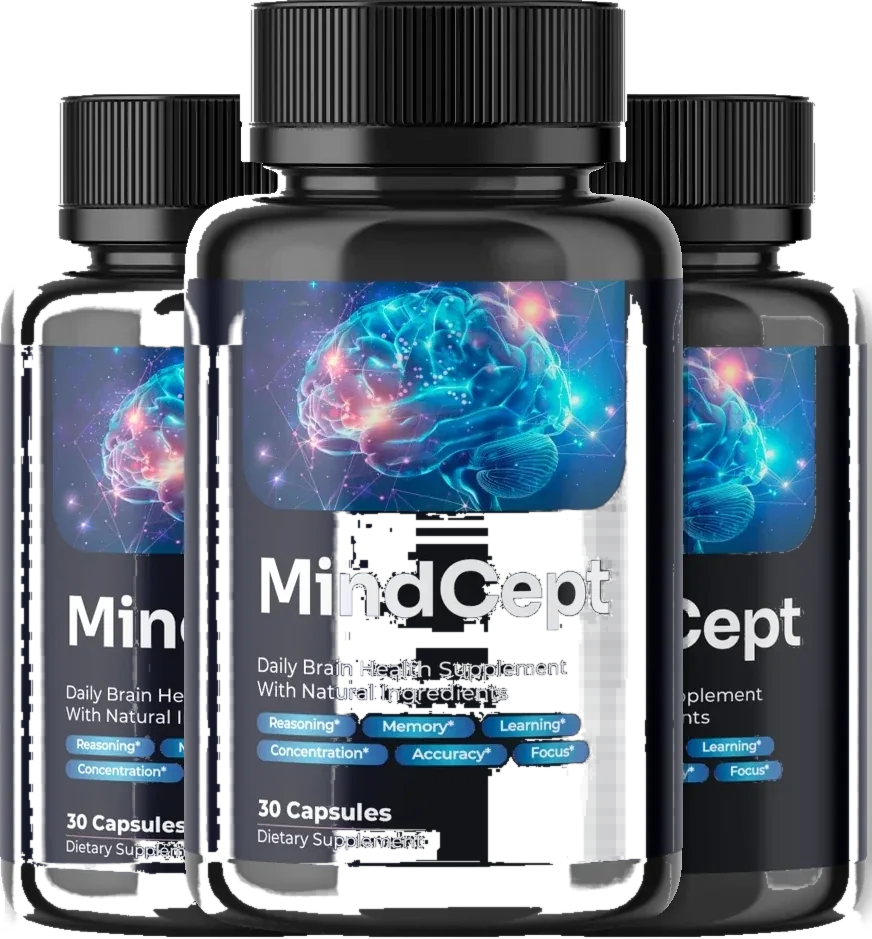
Judge the label rather than the testimonials
Six nootropic ingredients with every amount printed, one capsule a day, and a 60-day money-back guarantee when you buy direct — the three things you can actually check before you commit.
See the Official OfferIs Mindcept a scam? A direct answer
No, on the evidence available — and it is worth being precise about what that sentence means. The markers of an actual scam are absent here: the amounts are printed rather than hidden, no disease is claimed, the offer is a one-time purchase with a refund window rather than a free trial that converts into a recurring charge, and there is no fabricated clinical endorsement or invented award on the packaging.
What Mindcept is not is proven. The finished capsule has had no trial of its own, and as the section above shows, the ingredient evidence runs from reasonable to thin. A product can be entirely legitimate and still do very little for you — two things constantly conflated by pages that treat "not a scam" as though it meant "it works".
The residual risks are ordinary rather than sinister: it may do nothing for you, the digestive side effects seen in the Bacopa trials are real, and herbal ingredients interact with medication — ginkgo affects bleeding risk, which matters if you take an anticoagulant. A national US surveillance study in the New England Journal of Medicine estimated around 23,000 emergency-department visits a year linked to dietary supplements. None of that makes a supplement a scam; all of it makes a pharmacist worth five minutes. The other five minutes belong to the seller rather than the formula, and our guide to verifying an official website, its support contact and its refund terms sets out what to look at before paying.
Five checks that turn any feedback into a decision
Use these on this page, on a marketplace listing, or on any ranking site with a suspiciously confident verdict.
| Check | What you are looking for | What fails it |
|---|---|---|
| Provenance | The page says where its feedback came from and how it was collected | An average score with no source and no method |
| Disclosure | A clear statement of any commission the publisher earns | A ranking that never mentions how it makes money |
| Specificity | Comments describing what changed, when, and after how long | Adjectives with no timeline attached |
| Symmetry | Negative and neutral experiences present alongside positive ones | Uniform enthusiasm, which no real product produces |
| Dose anchoring | Claims tied to a printed amount you can compare with a trial | Ingredient names with no milligram figures |
A page failing three of those five is not evidence about a product; it is advertising in a different typeface. The same filter is the backbone of our 2026 buyer’s guide to the best brain supplements, applied across the category rather than to one brand.
The most honest thing an affiliate can publish about customer feedback is the method for judging it — not a number that neither of us can check.
How to generate feedback that actually applies to you
One person’s report is weak evidence about an ingredient and strong evidence about a purchase, provided it is your own and collected properly. The method takes about thirty seconds a day. Spend a week recording a baseline before you open the bottle: rate mental clarity, sustained attention and afternoon energy out of ten at a consistent time, and note hours slept and caffeine. Pick two outcomes specific enough to recognise — "how often I walk into a room and forget why" beats "focus" — then change one thing only.
Set the trial length from the slowest ingredient — eight to twelve weeks for a Bacopa-led formula — and write the decision date down with a stop rule: any new rash, palpitations, persistent headache or worsening sleep and you stop and speak to a pharmacist. At the date, compare your baseline week against your last two and answer one question in writing: would I buy this again, and why. If you cannot describe the benefit in a sentence, you have your answer, and a 60-day guarantee bounds its cost. Our full protocol for running a supplement trial one variable at a time sets out the log, the confounders and the stop rules in detail.
What this page deliberately does not do
It does not say Mindcept worked for a named number of people, rank it on customer satisfaction, or promise an outcome — we cannot verify the first, no comparable data exists for the second, and neither the evidence nor the law supports the third. What it does give you is a disclosed label you can check, the actual trials with their actual limits, and a method for deciding in eight to twelve weeks. That is a smaller offer than a page of five-star quotes, and the only version of it that is true.
Medical note: this article is general information, not medical advice. Mindcept supports everyday cognitive function in healthy adults; it does not diagnose, treat, cure or prevent any disease. Speak to a healthcare professional before starting any supplement, especially if you are pregnant, nursing, taking medication or managing a health condition.
Frequently asked questions
What do buyers say about Mindcept?
We do not collect, host or publish customer ratings for Mindcept, so we cannot quote a score and will not invent one. What is verifiable without a single testimonial is the label, which names every active and its amount, and the 60-day money-back guarantee on the official store. Any page giving a precise average score for a direct-sold supplement is almost always unverifiable, because no independent register of buyers exists.
Is Mindcept a scam?
There is no evidence that it is. The markers of an actual scam are absent: amounts are printed rather than hidden in a blend, no disease is claimed, and the offer is a one-time purchase with a refund window rather than a subscription that quietly rebills. What it is not is proven. The finished capsule has had no trial of its own, and the ingredient evidence runs from reasonable to thin.
How long before you can judge whether Mindcept works for you?
Eight to twelve weeks of uninterrupted daily use. The memory trials on standardised Bacopa monnieri, the ingredient the formula leads with, measured their outcomes at twelve weeks, and the pooled analysis included only studies dosing for twelve weeks or more. Write a specific baseline and a decision date before the first capsule, then honour the date either way.
What is the honest downside of a supplement with no independent ratings?
You carry more of the checking yourself. Without verified buyer data you cannot see how a product behaves across thousands of people, which is what would reveal rare side effects and how often it does nothing. The compensations are a disclosed label, a refund window that caps the cost of a wrong decision, and a personal trial run properly. None is as good as independent data.
Related reading
Scientific references
- Morgan A., Stevens J. — Does Bacopa monnieri improve memory performance in older persons? Journal of Alternative and Complementary Medicine (2010)
- Kongkeaw C. et al. — Meta-analysis of randomized controlled trials on cognitive effects of Bacopa monnieri extract, Journal of Ethnopharmacology (2014)
- Haskell C.F. et al. — The effects of L-theanine, caffeine and their combination on cognition and mood, Biological Psychology (2008)
- Kato-Kataoka A. et al. — Soybean-derived phosphatidylserine and memory function in older adults with memory complaints, J Clin Biochem Nutr (2010)
- DeKosky S.T. et al. — Ginkgo biloba for prevention of dementia: a randomized controlled trial, JAMA (2008)
- Geller A.I. et al. — Emergency department visits for adverse events related to dietary supplements, New England Journal of Medicine (2015)
- U.S. Federal Trade Commission — The FTC’s Endorsement Guides: what people are asking
- U.S. Food and Drug Administration — Dietary supplements: regulation and labelling
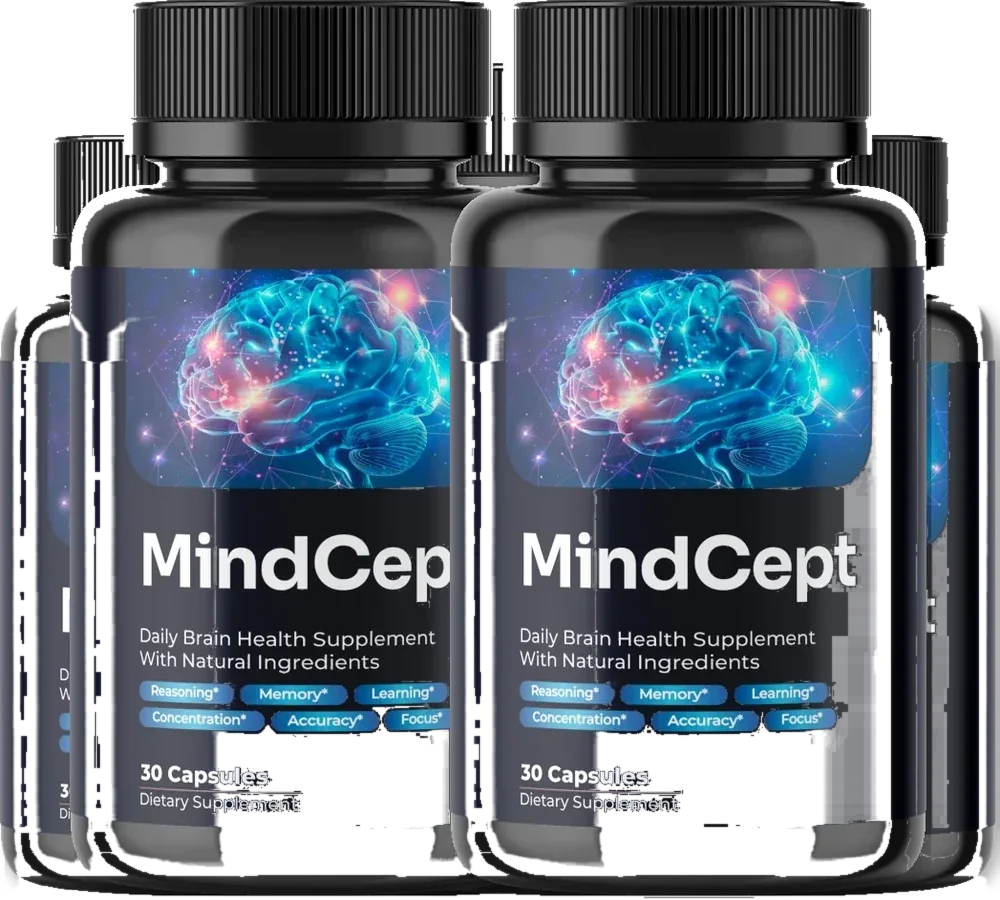
Check the label, the terms and the guarantee yourself
Every ingredient and amount printed, one capsule per serving, a one-time purchase and a 60-day money-back guarantee. Buying direct also settles the where-to-buy question: current label, traceable lot, one guarantee.
Check the Official Store