Memory Supplements That Actually Work
Quick answer: which memory supplements actually work?
A short list does, modestly. The best human evidence for a memory supplement points to Bacopa monnieri at roughly 300 mg over about 12 weeks, with supporting roles for omega-3 DHA and magnesium L-threonate. Effects are small, preventive and slow, never a treatment for dementia, and dose plus daily consistency matter far more than the brand.
- Strongest single ingredient: standardised Bacopa monnieri for recall.
- Supporting cast: omega-3 DHA and magnesium L-threonate.
- Non-negotiable: studied dose, taken every day, judged at ~12 weeks.

The gap between the promise and the evidence
Nearly ten thousand people a month look for a memory supplement, and thousands more search for memory pills or vitamins for memory. Walk the aisle and you would think the science is settled, every box promises sharper recall and a younger brain. The reality is narrower and more interesting: a small number of ingredients have genuine human evidence, most of the shelf is filler or underdosed hopefuls, and the honest expectation for even the best of them is a modest, preventive nudge rather than a dramatic rescue. This article separates the two, and it does so the way we always do, by reading the trials and the label rather than the sales copy.
Let us set the ground rules first, because they protect you from the two biggest ways people waste money here. One, a memory supplement is support for generally healthy people, it does not treat, cure or prevent any disease, and nothing below should be read as a therapy for dementia or any diagnosed condition. Two, an ingredient having evidence is not the same as a product working, because dose, standardisation and daily consistency decide whether the bottle in your hand resembles the one used in the study. Keep both in mind and you will already choose better than most shoppers.
Bacopa monnieri: the strongest single memory ingredient
If one ingredient has earned the word "works" in this category, it is Bacopa monnieri. Used in Ayurvedic tradition for memory, it has since been through a series of randomised, placebo-controlled human trials. A 2014 meta-analysis of nine of them, covering 518 people concluded that standardised Bacopa extract improves cognition, with its clearest signal on the speed of attention. The memory-specific result comes from the individual trials: a twelve-week trial in 98 adults over 55 found significantly better verbal learning, memory acquisition and delayed recall at 300 mg a day, alongside more frequent digestive side effects than placebo. The compounds thought to matter are the bacosides, which is why standardisation, and not just the plant name, is the thing to look for on a label.
The catch is the single most important fact about Bacopa: it is slow. The memory effect showed up after roughly eight to twelve weeks of consistent daily use, not after a dose or two. Anyone selling Bacopa as an instant smart pill is misrepresenting how it behaves, and anyone who tries it for a week and quits has learned nothing except that a week is too short. It also sits better taken with food. For the full breakdown of the trial data, our deeper piece on Bacopa monnieri and the evidence for memory and focus walks through exactly what the studies measured and where the data stops.
Omega-3 DHA: foundational, not flashy
DHA is a long-chain omega-3 fatty acid and a major structural component of brain-cell membranes, which is why it earns a place in any honest memory conversation. The evidence here is best described as foundational rather than dramatic. Diets richer in DHA are associated with better long-term brain health, and it is genuinely important nutrition, but the trials asking whether adding an omega-3 supplement sharpens memory in already well-nourished adults have been inconsistent. The best single trial is MIDAS, which randomised 485 healthy adults over 55 with age-related cognitive decline to 900 mg a day of DHA or placebo for 24 weeks and found fewer errors on a visuospatial learning and episodic-memory task, with no effect on working memory or executive function. It was funded by a DHA manufacturer, and it studied people who already showed measurable decline. The fair reading is that DHA supports the brain you are building over years, and is most likely to help the people who were short of it to begin with, rather than delivering a noticeable week-to-week memory boost.
Magnesium L-threonate: the promising newer option
Magnesium L-threonate is the form of magnesium designed to reach the brain more effectively than ordinary magnesium salts, and it is the most interesting newer entrant in the memory space. The human file is small: the most cited study is a 12-week randomised trial in 44 adults aged 50 to 70 with cognitive impairment, which found a significant improvement on a composite cognitive score but was conducted by the company developing the compound. It is fair to call it promising and worth watching, and fair also to say the human evidence is younger and thinner than Bacopa's, so it belongs in the supporting cast rather than billed as a proven headline act. Our dedicated explainer on magnesium L-threonate brain benefits and dosage covers where that research currently stands.
Why dose and consistency beat everything else
Here is the part the marketing never emphasises, because it is not glamorous: with memory supplements, dose and consistency do more work than brand, packaging or ingredient count. A formula listing Bacopa is worthless if it hides a token amount inside a proprietary blend, and the best ingredient in the world does nothing if you take it three days out of seven. The trials that generated the evidence used specific standardised doses taken every single day for weeks. Reproducing the result means reproducing those two conditions.
This is why more ingredients is not better, and often worse. A box crammed with fifteen names is usually fifteen ways to underdose, splitting a fixed capsule between so many actives that none reaches a studied amount. A shorter panel that puts a real, standardised dose of Bacopa on the label, taken daily, has a far better chance of doing what the research describes. If you want the skill of spotting that on any bottle, our walkthrough on vitamins for memory and brain function shows how to separate a meaningful amount from a decorative one.
Want a memory supplement dosed like the studies?
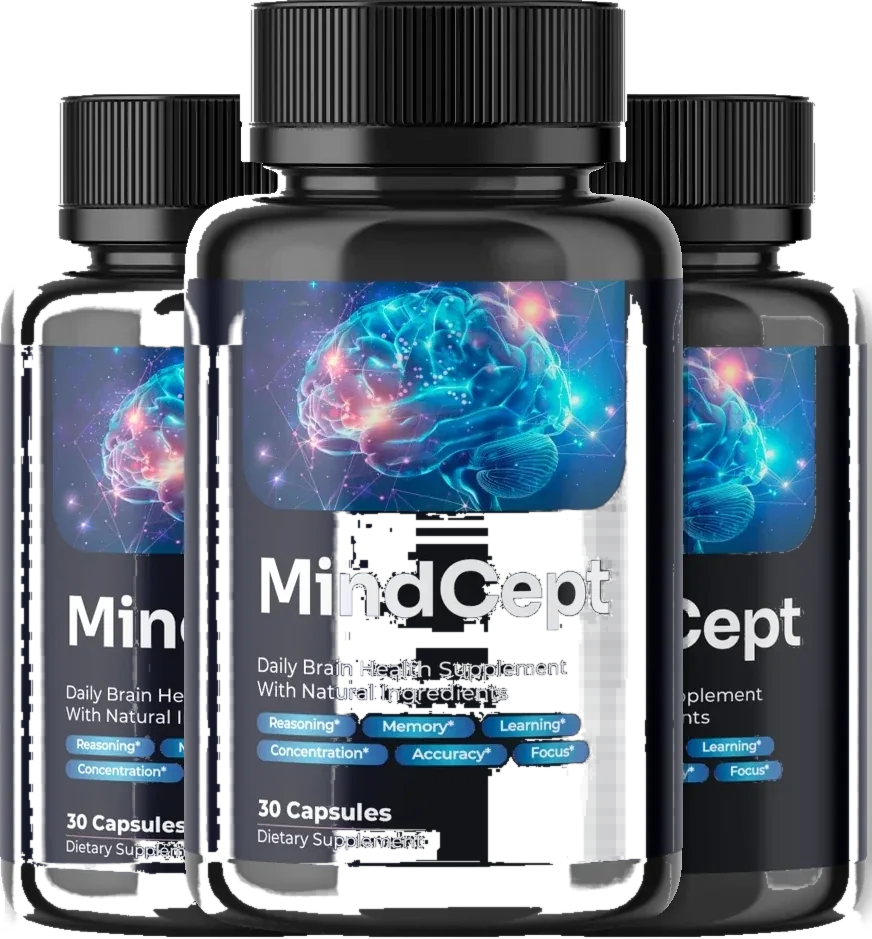
Mindcept builds a standardised dose of Bacopa monnieri into a disclosed daily formula, and a three-month supply matches the roughly 12-week window the memory research actually needed, so consistency is built in rather than left to willpower.
See the Official Mindcept OfferWhere Mindcept's ingredients land
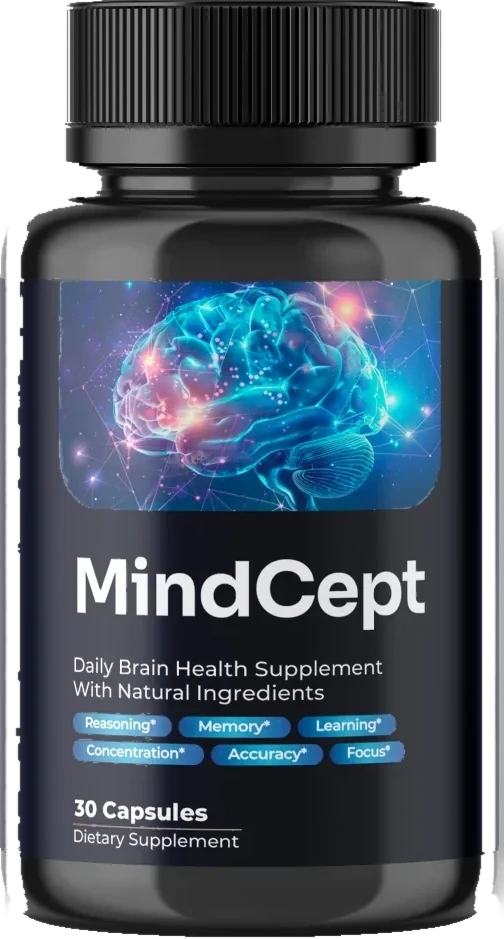
We will be straight about our own product, because that is the only version of this worth reading. Mindcept is built around the short list that has evidence, not the long list that has hype, with a standardised dose of Bacopa monnieri as the memory anchor and a disclosed panel of supporting nootropics beside it. Every amount is printed and every botanical names its standardisation, which is precisely what lets you hold the label up against the trials described above. What Mindcept is not, and what we will never claim it is, is a treatment for memory loss or a shortcut around the twelve-week timeline. It is a memory supplement designed to resemble the studied ingredients at studied doses, taken daily, and that is the honest ceiling of the whole category.
Memory supplements, ranked by human evidence
| Ingredient | Studied dose | Evidence strength for memory | Realistic timeline |
|---|---|---|---|
| Bacopa monnieri | ~300 mg standardised | Strongest; meta-analyses positive | 8–12 weeks |
| Omega-3 DHA | ~1–2 g combined EPA/DHA | Foundational; inconsistent as an add-on | Months, mostly if deficient |
| Magnesium L-threonate | ~1.5–2 g | Promising but early human data | Weeks; still emerging |
| Generic "memory blend" | Undisclosed | Unverifiable; often underdosed | Cannot be judged |
Three myths worth retiring
"If it did not work in a week, it does not work." This is the costliest myth in the aisle, because it discards the best-evidenced ingredient precisely when it was going to help. Bacopa needs eight to twelve weeks. Feeling nothing on day seven is the expected experience, not a verdict. Set a twelve-week decision date and honour it.
"More ingredients means a stronger memory pill." Usually the reverse. A long ingredient list inside one small capsule is arithmetic working against you, each added name shaves the amount available for the ones that matter. A short panel at studied doses beats a crowded one at trace doses every time.
"A memory supplement can stop or reverse age-related decline." No supplement is proven to do that, and the large prevention trials in older adults have mostly been neutral — the Ginkgo Evaluation of Memory trial in JAMA followed 3,069 people aged 75 and over for a median of six years and found no reduction in dementia incidence. These ingredients support everyday memory in people who are broadly well. Genuine, progressive memory loss is a medical matter, and reaching for a supplement instead of a doctor can delay an assessment that matters. If you are choosing for an older adult specifically, our practical buyer's checklist for brain supplements for seniors adds the interaction and safety checks that become essential later in life.
The memory supplements that actually work are not the ones with the boldest promises. They are the ones that put a studied ingredient at a studied dose on the label, and reward the person patient enough to take it every day for three months.
How to run an honest trial
If you want to know whether a memory supplement is doing anything for you specifically, treat it like a small experiment. Pick a product with a disclosed, standardised dose of an evidence-backed ingredient. Write down a concrete baseline before you start, not "my memory", but "how often I walk into a room and forget why", or "whether names slip in the first minute of meeting someone". Take it every day, change nothing else major at the same time, and set the review date about twelve weeks out. At the date, compare honestly. If nothing has shifted, stop, that is a successful experiment with a negative result, and a good reason to keep your money. If something has, you will have evidence that means something because you gave it the timeline the science used.
Medical note: this article is general information, not medical advice. Memory supplements support everyday cognition in generally healthy adults and are not a treatment for dementia or any diagnosed condition. Speak to a healthcare professional before starting any supplement, particularly if you take medication or have a health condition, and seek prompt medical advice for persistent or worsening memory problems.
Frequently asked questions
Do memory supplements really work?
Some do, modestly, when they contain the right ingredient at the studied dose and you take it consistently. The best human evidence supports Bacopa monnieri for memory, plus a supporting role for omega-3 DHA and magnesium L-threonate. Effects are small and build over weeks, not a dramatic switch. Many products on the shelf underdose or hide amounts in a blend and do far less, which is why the ingredient and dose matter more than the brand on the box.
Which memory supplement has the best evidence?
Bacopa monnieri has the strongest human data for memory. Multiple randomised, placebo-controlled trials and meta-analyses found a standardised extract, typically around 300 mg daily, improved aspects of memory and recall, but only after roughly 12 weeks of consistent use. Omega-3 DHA supports overall brain health and magnesium L-threonate is a promising newer option, but for memory specifically Bacopa is the best-supported single ingredient.
How long until a memory supplement improves recall?
Longer than most people expect. The memory research on Bacopa monnieri needed roughly 8 to 12 weeks of daily use before differences appeared, and judging it after a week or two tells you almost nothing. Consistency is the active ingredient here, a studied dose taken every day for the full window beats a higher dose taken erratically, so set a fixed reassess date about 12 weeks out before you start.
Can supplements prevent age-related memory decline?
The honest answer is that supplements may support everyday memory and general brain health, but no supplement is proven to prevent age-related decline, and none can treat or cure dementia. The large prevention trials in older adults have mostly been neutral. Persistent memory loss, confusion or getting lost in familiar places is a reason to see a doctor promptly, not to rely on a supplement. Treat these as preventive support in generally healthy people.
Related reading
Scientific references
- Kongkeaw C. et al. — Meta-analysis of Bacopa monnieri and cognition (2014)
- NIH Office of Dietary Supplements — Omega-3 fatty acids and brain health
- NIH Office of Dietary Supplements — Magnesium fact sheet
- NIH National Institute on Aging — Cognitive health and older adults
- NIH National Institute on Aging — Memory, forgetfulness and when to see a doctor
Give a real dose a real trial
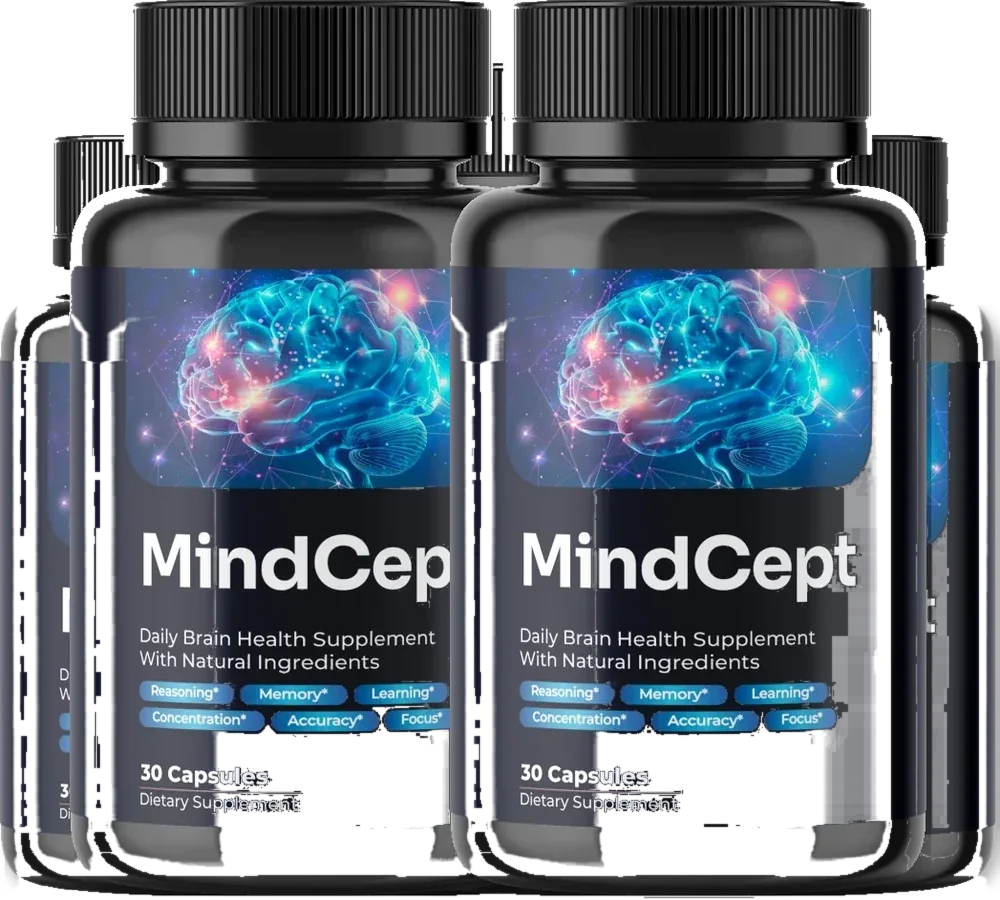
Mindcept anchors its formula on standardised Bacopa monnieri with every amount disclosed, built for the daily consistency and 12-week window the memory evidence actually rewards.
Check the Official Store