Vitamins for Memory and Brain Function: What Actually Helps
Quick answer: which vitamins for memory are actually worth taking?
The vitamins for memory with the strongest evidence are the ones that fix a shortfall: vitamin B12, folate and B6, plus vitamin D and magnesium. Correcting a genuine deficiency can restore clearer thinking and recall. If your levels are already normal, extra pills rarely add a further boost, so test first.
- Fix first: B12, folate and B6 are the deficiency-sensitive trio for memory.
- Support cast: vitamin D and magnesium back everyday cognitive function.
- More is not better: megadosing wastes money and can carry real risks.

Search for vitamins for memory and you will meet a wall of bottles promising sharper recall, laser focus and a younger brain. Most of that promise is marketing. The honest version is narrower and far more useful: a handful of vitamins and minerals have a genuine, well-documented role in how your brain makes energy, builds neurotransmitters and protects nerve cells — and when you are short of them, topping the tank back up can noticeably clear the fog. When you are not short, the same pills do very little.
That distinction — deficiency correction versus a general boost — is the single idea that makes this whole category make sense, and we will keep coming back to it. Get it right and you can spend a few pounds on the two or three nutrients that matter to your body specifically, instead of a small fortune on a rainbow of tablets that mostly end up in your urine.
How vitamins for memory actually work: filling a gap, not adding a turbo
Your brain is a demanding organ. It is roughly two per cent of your body weight and burns about a fifth of your energy, and it runs a non-stop chemistry set to keep signals moving between billions of cells. Several vitamins sit inside that chemistry as cofactors — the small helper molecules that let an enzyme do its job. The B-vitamins in particular help convert food into usable energy, build the myelin sheath that insulates nerve fibres, and manufacture messengers such as serotonin, dopamine and acetylcholine.
Here is the part the supplement aisle glosses over: the relationship between intake and benefit is a plateau, not a slope. Below the level your body needs, a shortfall shows up as tiredness, low mood, poor concentration and patchy memory. Bring the level back to adequate and those symptoms tend to ease. Push far past adequate, and almost nothing further happens — the enzymes are already saturated. Filling a fuel tank makes a stalled car go; pouring petrol over a full tank does not make the engine more powerful. Nearly every honest claim about vitamins for memory is really a claim about correcting a deficiency, even when the label implies otherwise.
The vitamins and minerals with a real cognitive role
Five nutrients earn their place in a conversation about memory and brain function. Notice how often the same words recur in the research: deficiency, low status, at-risk groups. That is the tell.
Vitamin B12 — the one most worth testing
If you check only one nutrient on this list, make it B12. A genuine B12 deficiency can produce memory problems, confusion and brain fog that look alarming and are often substantially reversible once levels are restored. B12 is central to myelin maintenance and to keeping homocysteine (more on that shortly) in a healthy range.
Certain groups run low far more often than average: adults over sixty, whose absorption declines with age; people who eat little or no animal food, since B12 is almost absent from plants; and anyone on long-term metformin or acid-suppressing medication, both of which reduce absorption. If that describes you, a simple blood test — ideally including methylmalonic acid, which catches an early shortfall that a standard B12 reading can miss — is worth far more than guessing.
Folate (B9) — B12's working partner
Folate rarely acts alone. It works alongside B12 in the pathway that recycles homocysteine, and a shortfall in either produces overlapping symptoms. Most people who eat leafy greens, legumes and fortified grains get enough, but low folate is still common in heavy drinkers, in pregnancy, and in people on certain medications. One important caution sits here: high-dose folic acid can paper over the blood signs of a B12 deficiency while the nerve damage underneath quietly continues, which is exactly why the two are best assessed together rather than one megadosed on its own.
Vitamin B6 — the third of the homocysteine trio
B6 completes the trio that keeps homocysteine metabolism running and helps build several neurotransmitters. Frank deficiency is uncommon on a mixed diet, so B6 is usually a supporting player rather than a headline fix. It also carries the clearest cautionary tale in this article: sustained high-dose B6 — the kind found in some aggressively marketed “super B” and energy products — has been linked to peripheral nerve damage. This is the textbook example of a water-soluble vitamin that still has a ceiling, and a reason to read the milligram figure, not just the reassuring name on the front.
Vitamin D — the sunlight gap
Vitamin D behaves more like a hormone than a classic vitamin, and receptors for it appear throughout the brain. Observational studies repeatedly link low vitamin D status with poorer cognitive scores, though association is not the same as proof and the supplement trials have been mixed. What is not in dispute is how widespread a shortfall is: anyone who spends most daylight indoors, lives at a northern latitude, has darker skin or covers up for cultural reasons is a candidate for low levels, especially in winter. Correcting a documented deficiency is sensible general health, and any cognitive upside comes as part of that broader package rather than as a standalone memory drug.
Magnesium — the mineral most people quietly run low on
Magnesium is a mineral rather than a vitamin, but it belongs in any serious list because it participates in hundreds of enzyme reactions, including those governing nerve signalling and the NMDA receptors involved in learning and memory. A meaningful share of adults fall short of the recommended intake, and low magnesium is also tied to poorer sleep — and poor sleep wrecks memory faster than any pill can repair it. Not all forms are equal, and if you want the detail on which one is actually studied for the brain, our companion piece on the magnesium form that reaches the brain and how to dose it walks through the evidence and the numbers.
Where the same nutrients sit at a glance
| Nutrient | Main cognitive role | Who most often runs low | How the benefit shows up |
|---|---|---|---|
| Vitamin B12 | Myelin, homocysteine control, energy metabolism | Over-60s, vegans, metformin & PPI users | Reversing fog and recall problems tied to a real shortfall |
| Folate (B9) | Homocysteine recycling, DNA and cell repair | Heavy drinkers, pregnancy, some medications | Works with B12; little extra once levels are adequate |
| Vitamin B6 | Neurotransmitter synthesis, homocysteine trio | Rarely deficient on a mixed diet | Supporting role; high long-term doses can harm nerves |
| Vitamin D | Hormone-like signalling across the brain | Indoor workers, northern latitudes, winter | Correcting a shortfall as part of general health |
| Magnesium | Nerve signalling, NMDA receptors, sleep quality | A large share of ordinary adults | Better sleep and steadier focus when a gap is filled |
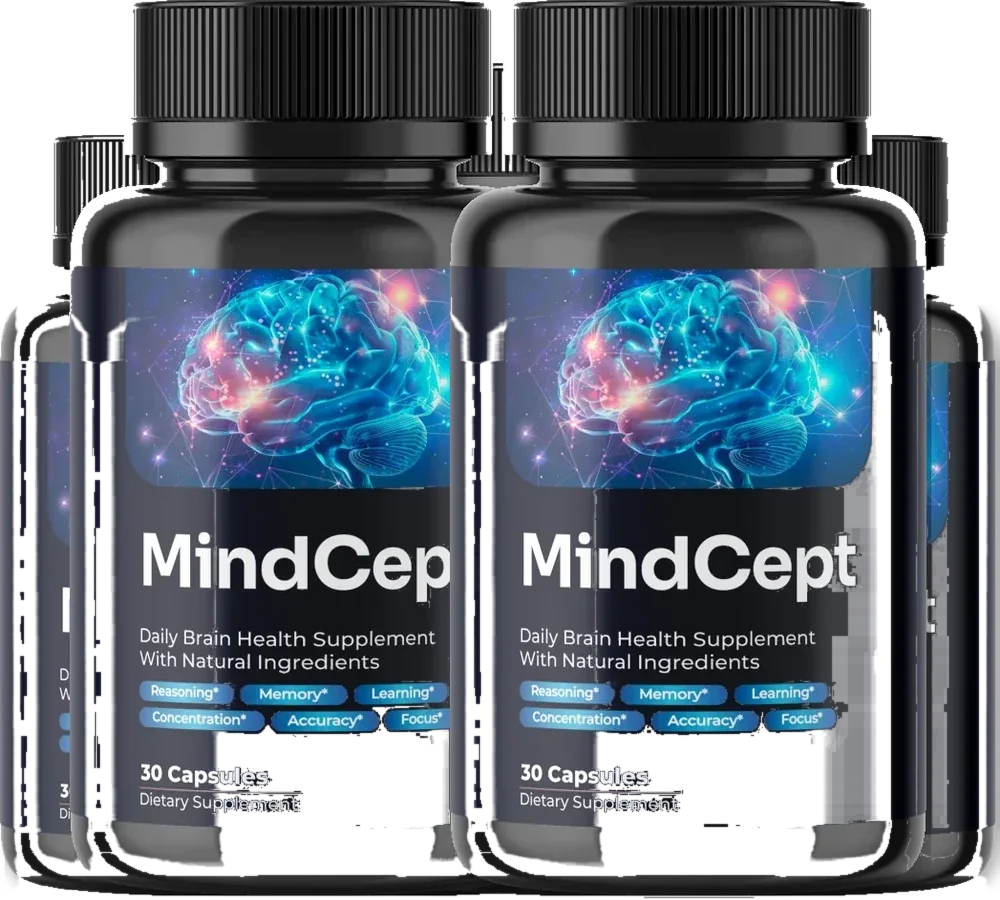
Got the vitamin base covered? Layer the botanicals on top
Once your B12, folate and vitamin D are in range, a nootropic works on the pathways vitamins do not reach — Bacopa, ginkgo, lion's mane and L-theanine, at disclosed doses. That is exactly the layer Mindcept is built to be.
See the Official OfferThe homocysteine connection, briefly
You will see homocysteine mentioned a lot in serious writing about vitamins for memory, so it is worth thirty seconds. Homocysteine is a by-product of normal metabolism, and B12, folate and B6 are the crew that clears it away. When those vitamins run low, homocysteine rises — and higher homocysteine has been repeatedly associated with faster cognitive decline in older adults.
Now the honest caveat, because this is where marketing overreaches. Lowering homocysteine with B-vitamins has produced mixed results in trials, and the clearest example is also the most instructive. The VITACOG trial gave older adults with mild cognitive impairment high-dose B12, folic acid and B6 for two years and measured brain shrinkage on MRI; the rate of atrophy slowed markedly, and the effect was concentrated in the participants whose homocysteine was highest at the start. Well-nourished people with normal levels tend to gain little. The signal is real, but it points back to the same rule — the vitamins help most when there is a gap to fill. A raised homocysteine reading on a blood test is a far better reason to supplement than a vague wish to think faster.
Almost every honest claim about a “brain vitamin” is really a claim about correcting a deficiency. Read it that way and the whole aisle gets easier to shop.
Three myths worth clearing up
Three ideas sell a lot of tablets and deserve a direct answer.
Myth one: if some is good, more must be better. This is the costliest misconception in the category. For most memory-relevant vitamins the benefit flattens the moment you reach adequacy, and for a few nutrients the extra is not merely wasted but actively unwise — long-term high-dose B6 and its link to nerve damage being the sharpest example. A sensible dose that matches your gap beats a heroic dose every time.
Myth two: a memory vitamin can offset a bad diet and no sleep. It cannot, and no supplement label will admit it. Chronic short sleep, high stress, an ultra-processed diet and no exercise degrade memory through channels a vitamin does not touch. Fix those and modest deficiencies often correct themselves; ignore them and no pill compensates. If you only change one thing this month, protect your sleep before you buy anything.
Myth three: because it is natural, you cannot overdo it. “Natural” and “harmless in any amount” are not the same sentence. Fat-soluble vitamin D accumulates in the body and has a genuine upper limit; high folic acid can hide a B12 problem; high B6 can damage nerves over time. Respecting the ceiling is part of using these nutrients well.
Test before you stack
The most efficient move in this entire category is not buying anything — it is a blood test. A basic panel covering B12 (with methylmalonic acid if possible), folate, vitamin D and, if your budget stretches, homocysteine turns a foggy guess into a precise list. You may discover you need only one nutrient, at a modest dose, rather than the six-tablet routine an influencer talked you into.
Testing matters even more if you take prescription medication or manage a health condition. Some drugs deplete specific nutrients, some supplements interact with medicines, and blood-thinner users in particular need to be careful with anything that shifts their balance. A pharmacist or doctor can read your results against your medication list in a way no article can. When you do buy, knowing how to check a label keeps you honest — our walkthrough on how to read a supplement facts panel line by line shows how to spot an under-dosed vitamin hiding inside a proprietary blend.
Where a formula like Mindcept fits alongside your vitamins
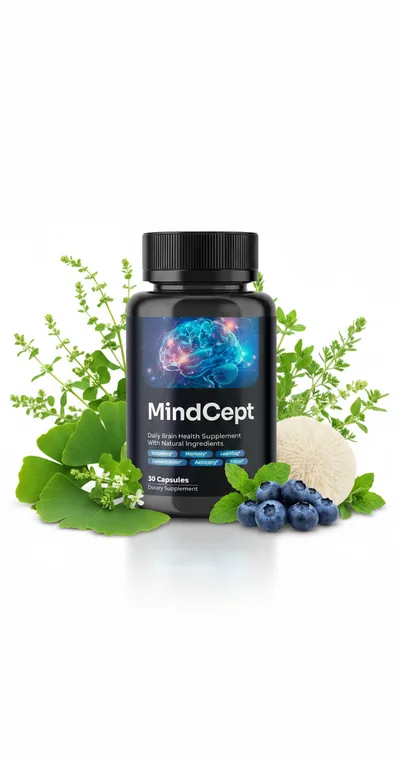
If vitamins fill deficiency gaps, what is a nootropic for? A different job. Mindcept is not a megadosed multivitamin dressed up as a brain pill; it is a botanical-led formula built around ingredients that act on pathways your daily vitamins do not — Bacopa monnieri, ginkgo biloba, lion's mane, L-theanine, rhodiola and phosphatidylserine, each with its own body of human research and each dosed openly on the label rather than buried in a blend.
The right mental model is layers. The foundation is lifestyle — sleep, movement, a real-food diet. On top of that sits your vitamin base, correcting any genuine shortfall in B12, folate, vitamin D or magnesium. Only then does a nootropic layer earn its keep, targeting focus, calm attention and memory support through mechanisms the vitamins leave untouched. It is worth knowing how small the vitamin layer’s own ceiling is: the COSMOS clinic sub-study randomised older adults to a daily multivitamin-mineral or placebo and found a two-year advantage in episodic memory that, pooled with the trial’s other cognitive sub-studies, worked out at roughly two years of cognitive ageing. Real, measurable, and far smaller than any bottle claims. Skipping the foundation and jumping straight to the exotic ingredient is the classic mistake, and it is why some people feel nothing: they were low in B12 the whole time. If you want the wider evidence map before spending, our roundup of memory supplements that actually work and what the studies really show ranks the ingredients by how much human data stands behind them, and for the fatty-acid side of the picture, how much omega-3 your brain needs from food and capsules covers the nutrient this article deliberately left out.
Sensibly deployed, the two are complementary. Vitamins keep the machinery adequately supplied; a well-formulated nootropic like Mindcept aims to help you get more out of a brain that is already properly fuelled. Neither replaces the other, and any product implying that a single tablet does everything is selling the myth we started with.
Medical note: this article is general information, not medical advice, and it does not diagnose or treat any condition. Persistent or worsening memory problems deserve a proper medical assessment. Speak to a healthcare professional before starting or changing any supplement, especially if you are pregnant, nursing, taking medication or managing a health condition.
Frequently asked questions
Which vitamins are best for memory and focus?
The vitamins with the clearest link to memory and focus are vitamin B12, folate and vitamin B6, which together keep homocysteine in check and support neurotransmitter production, plus vitamin D and the mineral magnesium. Their benefit is largest when you are genuinely low. If your blood levels are already adequate, adding more of these vitamins rarely sharpens focus further, which is why a blood test is worth more than a bigger dose.
Do brain vitamins work if I'm not deficient?
Mostly no. The strongest evidence for brain vitamins is in people who are short of them - correcting a real B12, folate or vitamin D shortfall can lift brain fog and recall back toward normal. In people whose levels are already in range, studies generally show little or no extra cognitive gain from taking more. Vitamins fill a gap; they do not add horsepower to an engine that is already fuelled.
Can too many brain vitamins be harmful?
Yes, some can. Water-soluble vitamins like B12 and folate are usually excreted when you take more than you need, but very high folic acid can mask a B12 deficiency, and long-term high-dose vitamin B6 has been linked to nerve damage. Fat-soluble vitamin D builds up in the body and has an upper limit worth respecting. More is not automatically better, and megadosing without testing carries real risk rather than a bigger benefit.
Should I take a memory vitamin or a full nootropic?
Fix the foundation first. If a blood test shows you are low in B12, folate or vitamin D, correcting that deficiency is the highest-value step and a simple vitamin does it. A full nootropic such as Mindcept works on different pathways - botanicals like Bacopa monnieri, ginkgo and L-theanine - and is best seen as a layer on top of an adequate vitamin base, not a replacement for one. The two are complementary, not competing.
Related reading
Scientific references
- NIH Office of Dietary Supplements — Vitamin B12 fact sheet for consumers
- NIH Office of Dietary Supplements — Folate fact sheet for consumers
- NIH Office of Dietary Supplements — Vitamin D fact sheet for consumers
- NIH Office of Dietary Supplements — Magnesium fact sheet for consumers
- Smith A.D. et al. — Homocysteine-lowering B vitamins and the rate of brain atrophy (VITACOG, PLoS ONE 2010)
Build the base, then add the botanicals
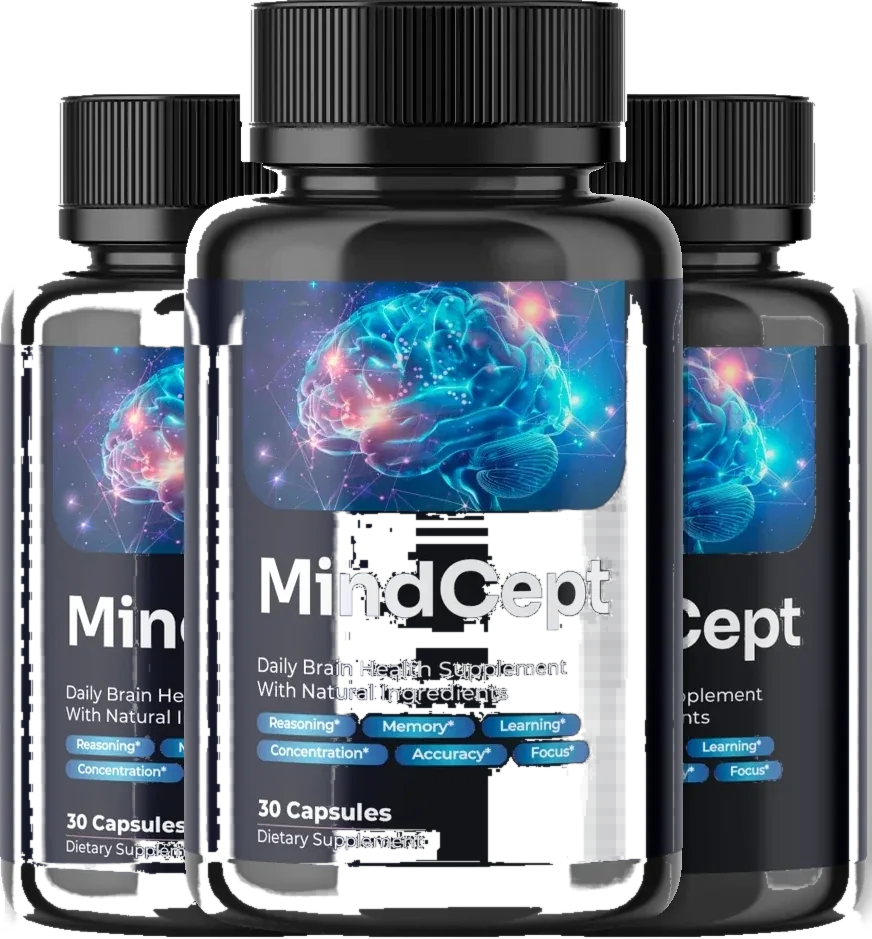
Cover your B12, folate and vitamin D first — then let a disclosed-dose nootropic do the job vitamins cannot. Mindcept lists six brain-focused ingredients in the open, one capsule per serving, backed by a manufacturer guarantee when you buy direct.
Check the Official Store