Omega-3 for Brain Health: A Dosage Guide and the Foods That Matter
Quick answer: how does omega-3 support brain health?
Omega-3 fats support brain health because DHA is a core structural building block of brain cell membranes and makes up roughly 90 percent of the brain's omega-3 content, while EPA is linked more to mood. A common evidence-based target is 1,000 to 2,000 mg of combined EPA and DHA daily, weighted toward DHA for cognition.
- DHA builds structure: ~90% of the brain's omega-3s, the priority for cognition.
- Dose: ~1,000–2,000 mg combined EPA/DHA per day, DHA-weighted.
- Food first: fatty fish about twice a week covers most people.
Your brain is roughly 60 percent fat, and that is not a metaphor about being lazy on a Sunday — it is chemistry. The membrane around every neuron is built from fatty acids, and one of them, an omega-3 called DHA, is so central that it accounts for about 90 percent of the brain's total omega-3 content. Which is why the phrase omega 3 brain health is not marketing shorthand so much as a description of what these fats physically do inside your head.
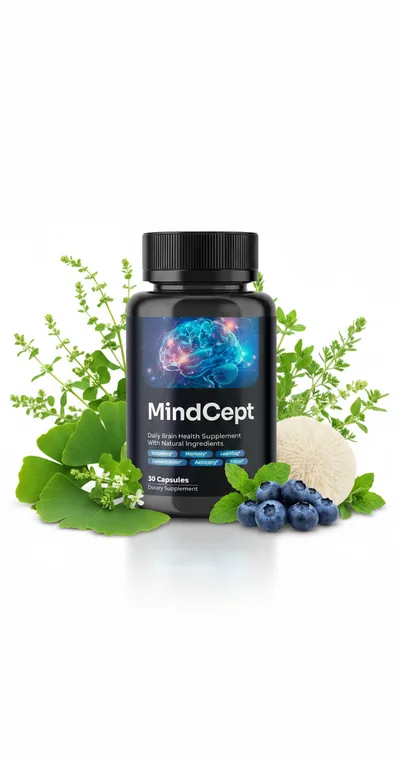
People are clearly looking for the specifics: "omega 3 brain health" runs at around 9,900 searches a month and the closely related "omega 3 fatty acids brain health" at another 9,900, both steady and, helpfully, in a lower-competition corner of the topic than the crowded nootropic keywords. This guide covers what the research actually supports: how DHA and EPA work, the dose that matches the studies, whether DHA or EPA matters more for your goal, and how to hit a brain-supportive intake from food before you reach for a capsule. It also shows where omega-3s fit alongside a formula like Mindcept for readers building a complete cognitive routine.
How omega-3s support the brain
There are three omega-3s worth knowing. ALA comes from plants such as flaxseed and walnuts. EPA and DHA are the long-chain marine forms found in fatty fish, and they are the ones the brain actually uses. The distinction matters because your body converts ALA into EPA and DHA only inefficiently — often just a few percent — so plant omega-3s are a weak way to supply the brain specifically.
DHA's role is structural. Woven into neuronal membranes, it keeps them fluid and flexible, which supports how efficiently cells signal to one another and how well receptors sit and function. Adequate DHA is associated with healthy membrane function across a lifetime, from brain development early on to the maintenance of cognition later. EPA plays a different hand: it is more involved in the body's inflammatory balance and is the omega-3 most consistently linked to mood support. Both belong in a brain-focused picture, but they are not interchangeable, and knowing which you are optimising for changes what you buy.
How much omega-3 you actually need for the brain
Here is the number most people come for. For general cognitive support, a common evidence-based target is around 1,000 to 2,000 mg of combined EPA and DHA per day, weighted toward DHA when the brain is the priority. General cardiovascular and health guidance often starts lower, nearer 250 to 500 mg of EPA plus DHA daily for someone who simply wants to avoid a shortfall, with the higher 1,000 to 2,000 mg range appearing in research aimed at cognition and mood. For a concrete anchor, the MIDAS trial randomised 485 healthy adults over 55 to 900 mg of DHA a day or placebo for 24 weeks and found fewer errors on a visuospatial learning and episodic-memory task, with no change in working memory or executive function. It was funded by a DHA manufacturer, and its participants already had measurable age-related decline — two reasons to read it as encouraging rather than decisive.
The single most common mistake is reading the wrong number off the bottle. A softgel labelled "1,000 mg fish oil" does not contain 1,000 mg of EPA and DHA — the fish oil is the whole oil, and the active omega-3s are a fraction of it, sometimes as little as 300 mg combined. Turn the bottle over and add up the EPA and DHA figures specifically. That is the number that has to reach your target, and it is why two products at the same headline "1,000 mg" can differ threefold in what actually matters.
DHA or EPA: which matters more for cognition?
This is the question that decides which product is right for you, and the honest answer is "it depends on the goal." For brain structure and cognition, DHA is the priority, simply because it is the dominant omega-3 in brain tissue — that 90 percent figure again. A supplement weighted toward DHA is the logical choice for memory and general cognitive support. For mood, the research leans the other way: EPA-weighted formulas, often with a higher EPA-to-DHA ratio, are the ones more associated with supporting emotional wellbeing.
Most people building a routine for everyday brain health want the DHA-weighted side. It is worth checking the ratio on the label rather than assuming, because many general fish-oil products are roughly balanced or even EPA-heavy for cardiovascular positioning. If your reason for buying is cognition, let DHA lead.
Omega-3 is the foundation, not the whole routine
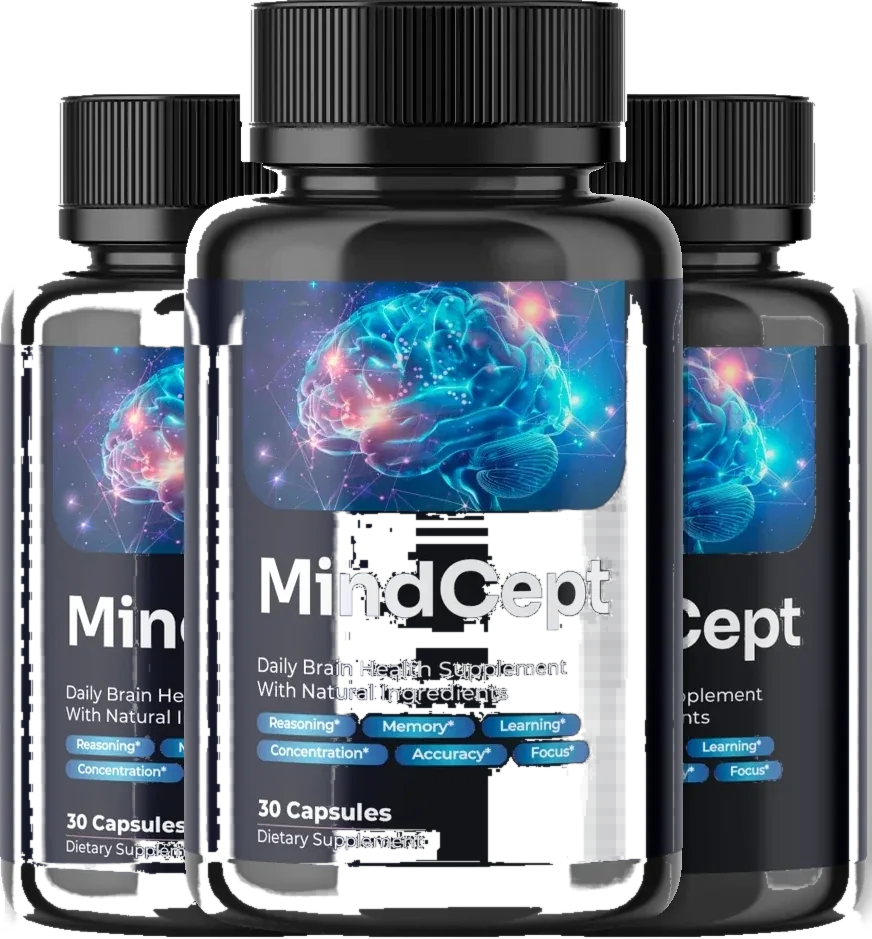
DHA and EPA build the structure; targeted nootropics support the day-to-day performance on top of it. Readers assembling a complete cognitive routine often pair a DHA-weighted omega-3 with Mindcept — a disclosed daily formula with the amounts printed on the label, not hidden in a blend.
See the Official OfferCan you get enough from food alone?
For many people, yes — and food is the sensible first move. The standard dietary recommendation is fatty fish about twice a week, which for most people lands them in a reasonable omega-3 range without a single capsule. The strongest sources are the oily, cold-water fish: salmon, sardines, mackerel, herring and anchovies. Two good servings a week supply a meaningful weekly dose of EPA and DHA in the form the body absorbs most readily.
The gap opens for people who genuinely dislike fish, avoid it for allergy or dietary reasons, or simply never cook it. Plant sources — flaxseed, chia, walnuts — are healthy foods, but because of that poor ALA-to-DHA conversion they are not a reliable way to supply the brain. Vegetarians and vegans have an elegant answer in algal oil, which delivers DHA (and increasingly EPA) directly from the algae that fish get theirs from in the first place. For everyone else who is short on fish, a standard fish-oil supplement closes the gap cheaply.
Omega-3 food sources at a glance
| Source | Omega-3 type | Brain relevance | Practical note |
|---|---|---|---|
| Salmon (fatty fish) | EPA + DHA | High — the ideal form | Two servings a week is the standard target |
| Sardines, mackerel, herring | EPA + DHA | High | Inexpensive; tinned counts |
| Algal oil | DHA (some EPA) | High — plant-based direct source | Best option for vegans and vegetarians |
| Fish-oil supplement | EPA + DHA | High | Read the EPA/DHA amounts, not total oil |
| Flaxseed, chia, walnuts | ALA | Low — poor conversion | Healthy foods, weak brain omega-3 source |
Omega-3 is one of the few brain-health topics where the food-first advice is not a hedge. Two servings of oily fish a week does more, for less money, than most supplement stacks — and the capsule is simply the backup for the weeks the fish does not happen.
Two objections worth answering honestly
"Doesn't the research on omega-3 and the brain go both ways?" It does, and pretending otherwise would be dishonest. Large trials using omega-3 to prevent cognitive decline in older adults have produced mixed and sometimes disappointing results, and the positive ones tend to be in people who started with a deficit or an existing decline rather than in the well-nourished. That is genuinely important context, and it is why the honest framing here is supportive and preventive, not curative. What the evidence supports well is DHA's structural role and the value of correcting a real dietary shortfall; what it does not support is treating omega-3 as a cure for any cognitive condition. Both things are true at once.
"Is more always better?" No. Beyond the studied range there is little reason to keep climbing, and very high doses of omega-3 can affect bleeding, which is why anyone taking anticoagulants or facing surgery should clear their dose with a doctor first. The target range exists because it captures most of the benefit without wandering into that territory. As with the rest of the cabinet, the discipline of a sensible dose beats the instinct to maximise, a theme our guide to the vitamins for memory and brain function returns to repeatedly.
Where omega-3 fits a full cognitive routine
Think of omega-3 as the foundation layer. DHA and EPA supply the structural and nutritional groundwork — the membranes, the mood balance, the baseline — on top of which more targeted ingredients can act. It sits comfortably beside the compounds that carry the strongest day-to-day cognitive evidence, and if you want to see which of those earn their place, our roundup of the memory supplements that actually work is the companion piece to this one. For older readers specifically, where diet and cognition tend to slip together, our practical buyer's checklist for brain supplements in later life folds omega-3 into a broader plan.
This is exactly the layered thinking Mindcept is built for. A DHA-weighted omega-3 covers the structural foundation; a disclosed nootropic formula supports the performance layer of memory, focus and clarity. Neither replaces the other, and neither replaces two servings of oily fish and a decent night's sleep. Build from food up, add the foundation, then add the targeted support — in that order — and you have a routine that is honest about what each piece is doing.
Medical note: this article is general information, not medical advice. Omega-3 supports everyday cognitive and nutritional health; it does not diagnose, treat, cure or prevent any disease. Speak to a healthcare professional before starting higher doses, especially if you take blood thinners, are pregnant or nursing, or have surgery scheduled.
Frequently asked questions
How does omega-3 support brain health?
Omega-3 fats, especially DHA, are structural building blocks of brain cell membranes and make up roughly 90 percent of the brain's omega-3 content. Adequate intake supports the fluidity of those membranes, healthy cell signalling and the body's normal inflammatory balance, while EPA is more associated with mood. The support is preventive and nutritional, not a cure for any condition.
How much omega-3 should I take for the brain?
A common evidence-based target for cognitive support is around 1,000 to 2,000 mg of combined EPA and DHA per day, weighted toward DHA for the brain. Read the label for the actual EPA and DHA amounts rather than the total fish oil, which is usually higher. If you take blood thinners, ask your doctor before using higher doses.
Is DHA or EPA more important for cognition?
For brain structure and cognition, DHA is the priority because it is the dominant omega-3 in brain tissue, making up about 90 percent of the brain's omega-3s. EPA is more closely linked to mood and the body's inflammatory balance. A supplement weighted toward DHA suits cognitive goals, while an EPA-weighted product is often chosen for mood support.
Can I get enough brain omega-3 from food alone?
Many people can, mainly by eating fatty fish such as salmon, sardines or mackerel about twice a week, which is the standard dietary recommendation. Plant sources like flaxseed and walnuts provide ALA, which the body converts to DHA and EPA only inefficiently. If you rarely eat fish, an algal or fish-oil supplement is a practical way to reach a brain-supportive intake.
Scientific references
- NIH Office of Dietary Supplements — Omega-3 fatty acids fact sheet for health professionals
- Harvard T.H. Chan School of Public Health — Omega-3 fatty acids: an essential contribution
- NIH NCCIH — Omega-3 supplements: in depth
- American Heart Association — Fish and omega-3 fatty acids
- Harvard Health Publishing — DHA, EPA and the role of dietary fats
Related reading
Add the performance layer to your omega-3 foundation
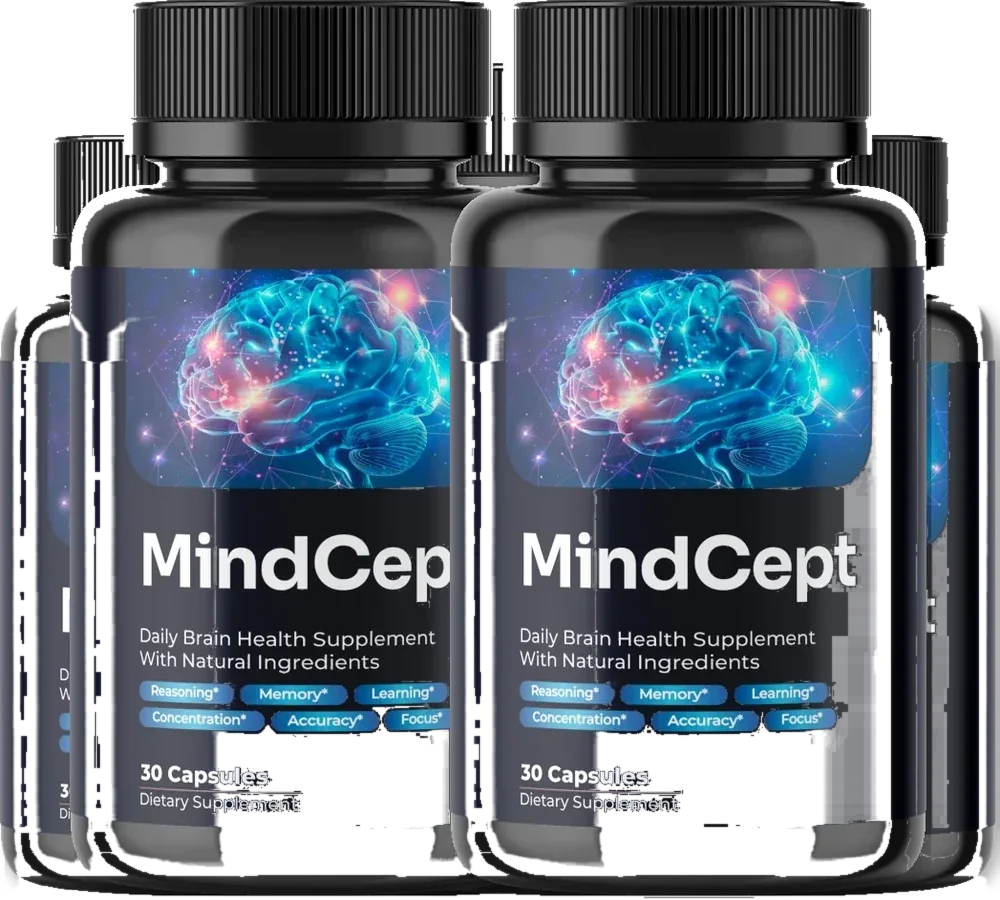
Once the DHA foundation is in place, a disclosed daily nootropic supports the day-to-day layer of focus and clarity. Mindcept lists every ingredient and amount in the open — the transparent way to complete a cognitive routine.
Check the Official Store