Best Brain Supplements 2026: An Honest Buyer's Guide
Quick answer: what makes the best brain supplements in 2026?
The best brain supplements in 2026 are not the ones with the loudest claims or the longest ingredient list — they are the ones that disclose every dose, put those doses inside the ranges human studies actually used, and prove it with third-party or NSF and GMP testing. Score on clinical dosing, label transparency, independent testing and cost per serving, and expect four to eight weeks of daily use before memory benefits show.
- Dose that matters: Bacopa ~300 mg, citicoline 250–500 mg, L-theanine 100–200 mg.
- Proof that matters: NSF or GMP-certified facility and a transparent, full-disclosure label.
- Patience that matters: most cognitive ingredients need 4–8 weeks of daily use.
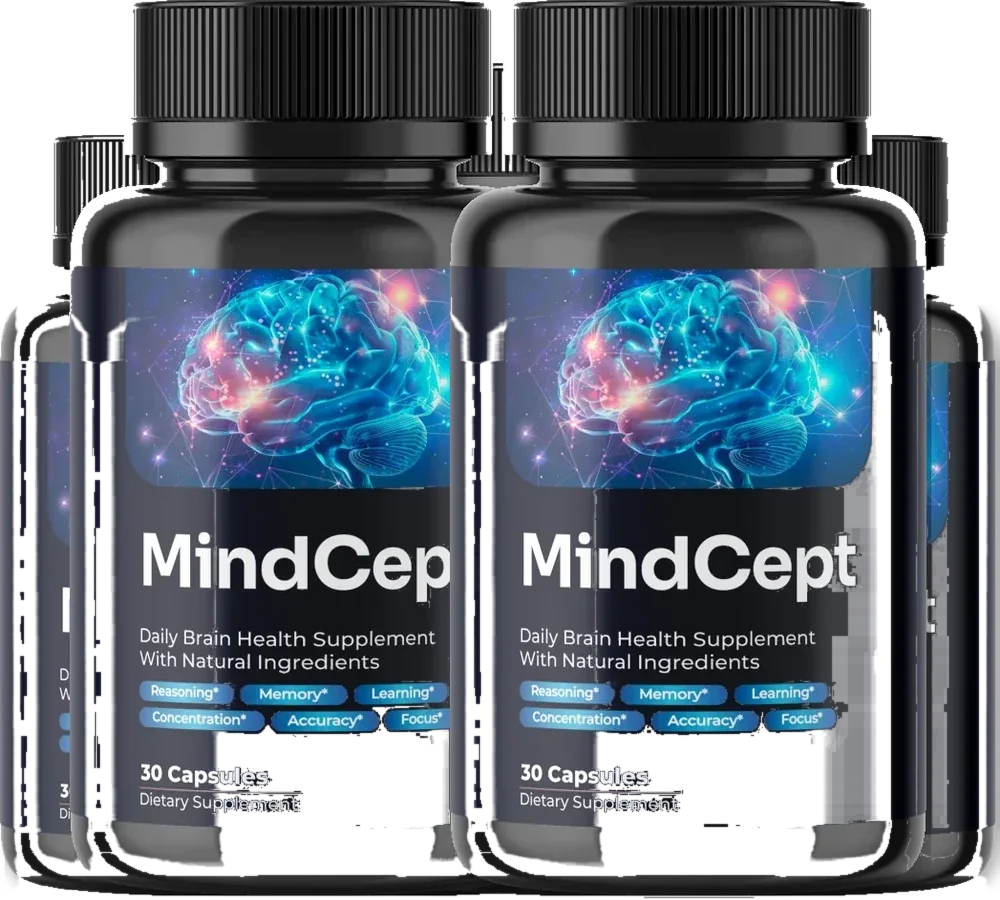
Search "best brain supplements" and you get roughly 6,600 results a month dressed up as rankings, most of which are really affiliate lists sorted by commission. The category is crowded, the marketing is confident, and the honest truth is duller than any of it: a handful of ingredients have real human evidence, the doses that produced that evidence are public, and almost everything else is packaging. This guide walks you from category confusion to a confident buy using the same rubric a careful pharmacist would — and shows, without pretending otherwise, where Mindcept fits and where it does not.
What actually earns a spot on a 2026 shortlist
A brain supplement is not a medicine. In the United States, dietary supplements are not approved by the FDA before sale and cannot legally claim to diagnose, treat, cure or prevent any disease. So the question is never "which one fixes my brain" — it is "which one gives clinically studied ingredients, at studied doses, in a form I can verify, for a price that makes sense." That reframing alone eliminates most of what gets called the best brain supplements online, because most of it fails on dosing or disclosure before you even reach the price.
The ingredients with the most credible human data are a short list. Standardised Bacopa monnieri is the standout for memory: a 2014 meta-analysis of nine randomised placebo-controlled trials in 518 people found faster attention speed, and a separate twelve-week trial in 98 adults over 55 found better verbal learning and delayed recall at 300 mg a day. The benefit appears only after weeks of daily use. Citicoline (CDP-choline) is more qualified than the marketing suggests — a Cochrane review of fourteen trials in older adults found evidence of benefit on memory and behaviour but no evidence of benefit on attention, so treat focus claims for it sceptically. L-theanine is best documented in combination: in a crossover trial of 250 mg L-theanine with 150 mg caffeine, the pair improved reaction time and cut mental fatigue while L-theanine alone did not improve attention at all. Phosphatidylserine has reasonable data for age-related memory. Beyond those, evidence thins quickly — ginkgo is mixed, and lion's mane and rhodiola are promising but under-powered in humans.
The five tests that separate the best brain supplements from the rest
Rank any product against these five, in order. If it fails the first two, the last three barely matter.
1. Clinical dosing. Each active should sit inside the range human trials used. A label boasting "Bacopa monnieri" means little at 20 mg and a great deal at 300 mg of a standardised extract. This is the single most common failure: the right ingredient at a token dose, present so its name can appear on the front of the box.
2. Label transparency. Prefer a full-disclosure panel that prints a figure beside every ingredient over a proprietary blend that gives one combined weight. A blend of seven ingredients totalling 500 mg tells you nothing about how much of each you are getting, and the first ingredient could be almost all of it. If you want the mechanics of this, our companion piece on how to read a brain supplement facts panel line by line is the fastest way to build the skill.
3. Independent testing. "Manufactured in a GMP-certified facility" describes process controls, not a test of the finished bottle. A third-party mark — NSF, a USP Verified mark, or a published certificate of analysis you can match to your lot number — is stronger. NSF and GMP certification together is the practical floor for a 2026 shortlist.
4. Cost per serving. Divide the price by servings per bottle, not by the number of capsules. A product with a 30-day supply at four capsules a serving can be dearer per day than a "premium" bottle that lasts two months. Sticker price is theatre; cost per serving is the number.
5. Honest claims. The label and sales page should make structure-function claims ("supports memory", "supports focus") and carry the FDA disclaimer, not disease claims. A product promising to reverse decline or cure fog is telling you something about its marketing ethics before you ever open it.
How the shortlist criteria score out
| What to score | Weak sign | Strong sign (2026 shortlist) |
|---|---|---|
| Bacopa monnieri | Named but under 100 mg, no standardisation | ~300 mg, standardised to bacosides |
| Citicoline | Absent, or hidden in a blend | 250–500 mg, disclosed |
| L-theanine | Trace amount for label appeal | 100–200 mg, disclosed |
| Label format | Proprietary blend total only | Full disclosure, mg per ingredient |
| Testing | "GMP facility" claim alone | NSF/GMP certified, COA available |
| Value | Judged on sticker price | Judged on cost per serving |
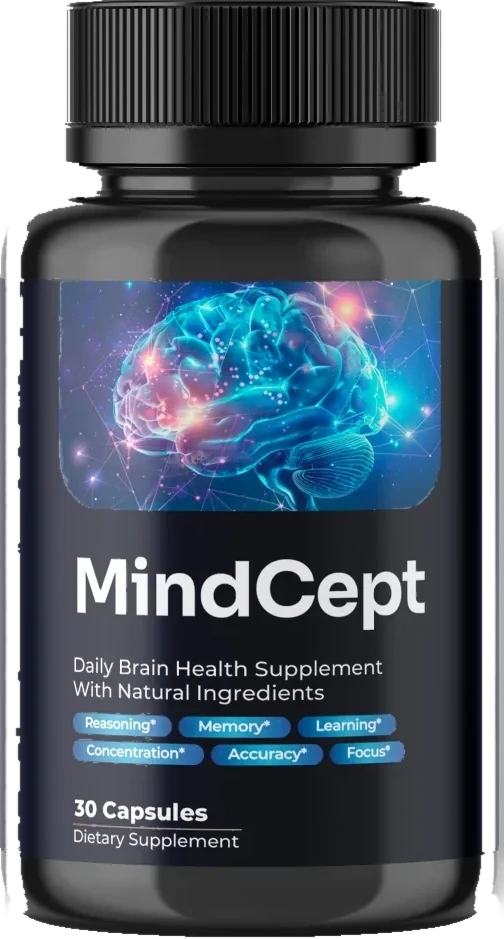
See a label built to the shortlist standard
If you want to see what "clinically dosed and fully disclosed" actually looks like on a bottle, start with a formula that prints a figure beside every ingredient and names its standardisations.
See the Official OfferThree myths worth clearing before you buy
Myth 1: "More ingredients means a better formula." The opposite is usually true. A capsule has finite volume. Cramming twenty-six ingredients into it almost guarantees most are present at amounts too small to matter, which is exactly why long lists photograph so well on a sales page. Five well-dosed, standardised ingredients beat twenty-six at fairy-dust levels every time, and the best brain supplements tend to be the shorter, clearer labels, not the longer ones.
Myth 2: "If it were not effective, they could not sell it." Supplements are regulated as food, not drugs. A product can be sold without any efficacy review at all, provided it is safe and its claims stay on the right side of the structure-function line. Legality is not evidence. That is why the rubric leans on published human doses rather than on the fact that a product exists.
Myth 3: "I will feel the memory benefit in a few days." Attention ingredients like L-theanine can be felt within hours, and that quick hit is often what convinces people a product "works." But the memory-supporting botanicals are slow. Standardised Bacopa's effect shows up after roughly four to eight weeks, often longer. Judging a memory formula in three days is like judging a fitness plan after one workout. Our overview of which memory supplements actually work goes deeper on this timeline.
Myth 4: "The customer ratings will tell me." For a supplement sold directly by its own store rather than through a marketplace, there is no independent register of buyers, so a headline score has nothing behind it that you can audit. That is a reason to shift your weight onto the label and the refund terms instead, which is the method we set out in what buyers report and how to judge feedback you cannot verify.

Where Mindcept fits — and where it does not
We publish this site as an independent affiliate, so treat the next paragraph as disclosed self-interest and check the label yourself. Mindcept is built to the shortlist specification above: a full-disclosure panel, standardised nootropic ingredients including Bacopa monnieri, L-theanine, phosphatidylserine, ginkgo, rhodiola and lion's mane, one capsule per serving, and manufacture in a GMP-certified facility. For a reader who wants daily focus and steady memory support and wants to be able to read exactly what they are taking, it is an easy formula to evaluate rather than merely admire.
Where it does not fit: if you need something that acts today, a memory-oriented botanical formula is the wrong tool — a good night's sleep and a smaller dose of caffeine with L-theanine will do more this afternoon. If you are managing a diagnosed condition, no supplement on any shortlist is a substitute for medical care. And if the deciding factor is the absolute lowest price per bottle regardless of dose, transparency costs a little more, and that is a fair trade to weigh for yourself. If you are still narrowing the field, our broader guide to choosing a nootropic supplement lays out the decision without pointing at any one brand.
How to run your own 2026 shortlist in ten minutes
Open three product pages. Normalise each to a single day by multiplying the per-serving amounts by servings per day. Circle every ingredient with a disclosed milligram figure and cross out every proprietary blend. For each surviving ingredient, compare the daily amount against the studied range in the table above. Note which products name standardisation and which carry NSF or GMP certification. Finally, divide price by servings for the true cost per serving. Then count how many ingredients on each label clear the dosing bar — that number, not the total ingredient count, is your ranking.
Do that and the field collapses fast. Most contenders lose points on dosing or disclosure, a few survive, and the decision becomes a calm comparison rather than a reaction to whoever shouted loudest. That is the entire promise of a buyer's guide: not to hand you a winner, but to hand you the method so the winner is obvious.
The best brain supplement is not the one with the most ingredients or the biggest claim. It is the one whose label you can read, whose doses match the research, and whose testing you can verify.
Medical note: this article is general information, not medical advice. Speak to a healthcare professional before starting any supplement, especially if you are pregnant, nursing, taking medication or managing a health condition.
Frequently asked questions
What is the best brain supplement to take in 2026?
There is no single winner for everyone, because the best brain supplement is the one whose disclosed ingredients and doses match your goal. For daily focus and memory support, look for a full-disclosure label carrying standardised Bacopa near 300 mg, citicoline around 250 to 500 mg and L-theanine at 100 to 200 mg, made in an NSF or GMP-certified facility. Mindcept is built to that specification, but the right pick is always the one you can read and verify.
How do I compare brain supplements fairly?
Normalise every product to a single day first, then score five things: whether each active is dosed inside its studied range, whether the label discloses amounts instead of hiding them in a proprietary blend, whether the facility is third-party or NSF and GMP certified, the cost per serving rather than the sticker price, and the honesty of the claims. A formula that clears those five bars beats one with a longer ingredient list every time.
Are expensive brain supplements worth the cost?
Price alone predicts almost nothing. Some premium products spend the extra money on studied doses and independent testing, and some spend it on marketing and a longer proprietary blend. Divide the price by servings per bottle to get cost per serving, then check whether that money buys clinically relevant doses of ingredients with human evidence. A mid-priced, fully dosed formula regularly outperforms a costlier one built on fairy-dust amounts.
How long before the best brain supplements start working?
It depends on the ingredient. L-theanine and caffeine act within hours, so calm, sustained attention can be noticeable the first day. The memory-supporting botanicals are slower: standardised Bacopa typically needs roughly four to eight weeks, and often eight to twelve, of consistent daily use before benefits appear. Any product promising overnight memory transformation is overselling. Give an honest formula a full eight-week trial before you judge it.
Related reading
Scientific references
- NIH Office of Dietary Supplements — Dietary supplements: what you need to know
- Kongkeaw C. et al. — Meta-analysis of randomised trials on Bacopa monnieri and cognition (2014)
- NIH NCCIH — Dietary and herbal supplements
- Fioravanti M., Yanagi M. — Cytidinediphosphocholine (CDP-choline) for cognitive and behavioural disturbances associated with chronic cerebral disorders in the elderly, Cochrane Database of Systematic Reviews (2005)
- NIH NCCIH — Using dietary supplements wisely: labels, doses and safety
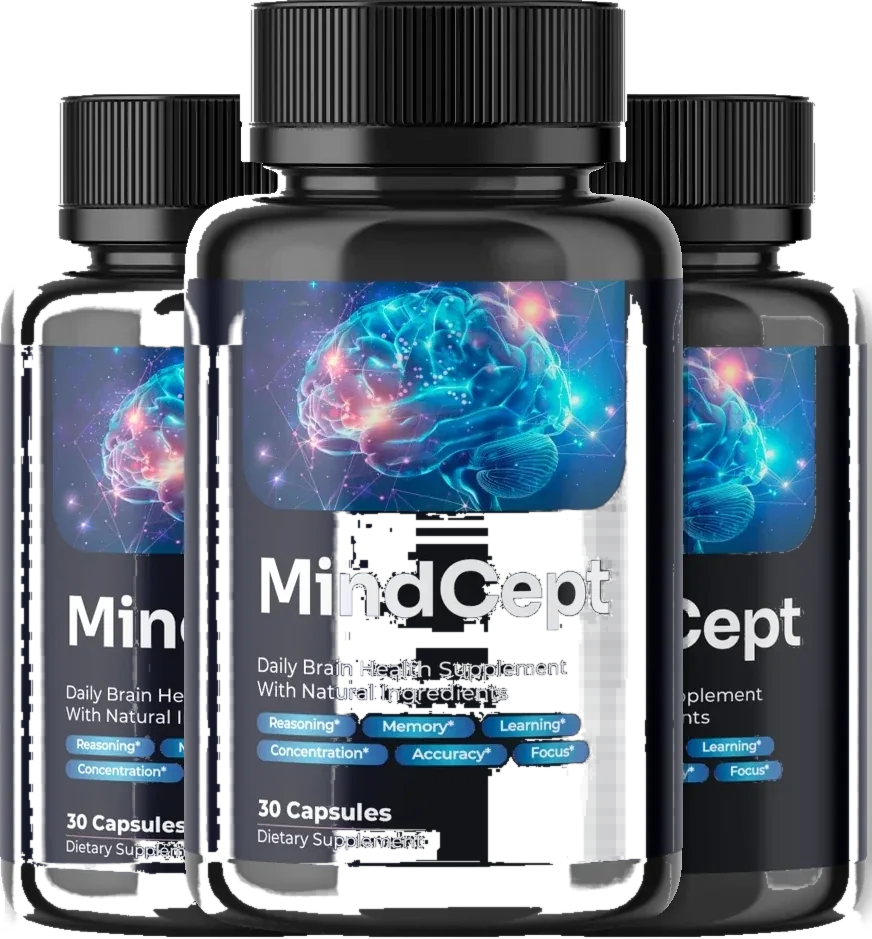
Put a shortlist-grade label in your basket
Standardised nootropic ingredients, one capsule per serving, doses printed in the open and a GMP-certified facility behind them — the kind of formula this guide was built to reward. Buying direct also settles the where-to-buy question: current label, traceable lot, one guarantee.
Check the Official Store