Neuriva 2026: Does It Really Work?
Quick answer: does Neuriva really work?
Neuriva is a simple two-ingredient brain supplement — coffee-fruit extract and phosphatidylserine — and both ingredients have some human data, but it is thin, small and largely industry-funded. It is a reasonable, well-tolerated starting product rather than a proven memory booster, and like every over-the-counter supplement it cannot treat disease. Compare it dose by dose against fuller-spectrum options before deciding it is the best use of your money.
- What it is: coffee-cherry extract (Neurofactor) plus phosphatidylserine; Plus adds B vitamins.
- What the evidence shows: small, short studies, often measuring BDNF rather than memory.
- How fast: a slow, cumulative formula — give it four to eight weeks.
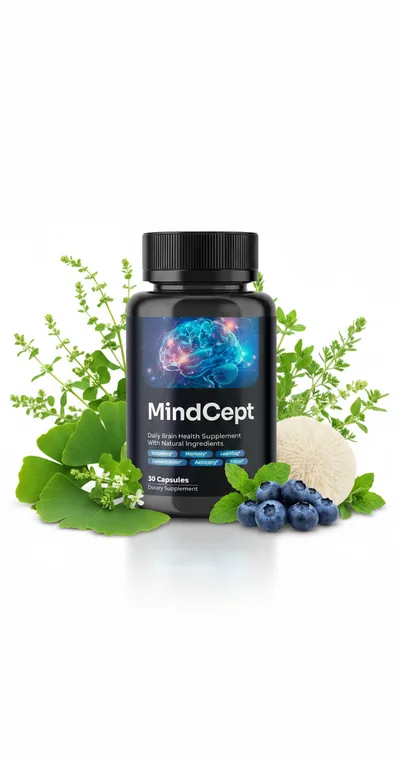
Neuriva is one of the most searched brain supplements on the shelf, pulling roughly 33,100 searches a month, with "neuriva plus" adding another 4,400, so a plain-English, evidence-first Neuriva review is overdue. The television spots are polished, the "clinically tested" line is everywhere, and the branding — coffee-fruit and phosphatidylserine — sounds reassuringly scientific. This review does the boring, useful thing: it reads what the two ingredients actually prove, what they do not, how much the product costs per day, and whether a fuller-spectrum formula is a better fit for what you want.
What is actually in Neuriva and Neuriva Plus
Credit where it is due: Neuriva keeps its label short and disclosed, which already puts it ahead of the proprietary-blend crowd. Original Neuriva rests on two actives. The first is a coffee-cherry (coffee-fruit) extract, branded Neurofactor, made from the fruit surrounding the coffee bean rather than the bean itself, so it is not a stimulant. The second is phosphatidylserine, a phospholipid that is a natural component of brain-cell membranes and has reasonable data for age-related memory support.
Neuriva Plus keeps both and adds B vitamins — typically B6, B12 and folate — which support normal nervous-system function. That is the entire difference: Plus is the same core with a B-vitamin top-up, at a higher price. Neither version relies on caffeine for its effect, which is why you will not feel a stimulant hit from either.
Does Neuriva really work? What the evidence shows
Here is the honest core of this Neuriva review. The coffee-fruit extract's headline claim rests on a small number of short, industry-funded studies. The most cited is a single-dose study in the British Journal of Nutrition in which ten fasted volunteers took 100 mg of whole coffee-fruit concentrate and plasma BDNF (brain-derived neurotrophic factor, a signalling protein involved in neuron growth) rose by about 143 per cent over two hours. That is a two-hour blood marker in ten people, not a measurement of memory or focus. A change in a blood marker is interesting, but it is several steps removed from "you will remember names better." When the primary evidence is a biomarker in a small sample funded by an interested party, the right posture is cautious optimism, not confidence.
Phosphatidylserine is on firmer, though still modest, ground. A six-month randomised trial of soy-derived phosphatidylserine in 78 older Japanese adults with memory complaints found significant gains in delayed verbal recall — but only in the subgroup who scored lowest at baseline, and scores rose in the placebo arm too. That is why it appears in many serious nootropic formulas and not only in Neuriva, and also why the honest word for it is modest. It is a sensible inclusion. The B vitamins in Plus are genuinely useful if you are low in them and largely redundant if you are not, since water-soluble surplus is mostly excreted.
The overriding caveat applies to Neuriva exactly as it applies to every competitor: no over-the-counter brain supplement is approved to diagnose, treat, cure or prevent any disease, and none should be judged as if it could. If you want the wider context on what the studied ingredients can and cannot do, our review of memory supplements that actually work sets Neuriva's two ingredients against the rest of the field.
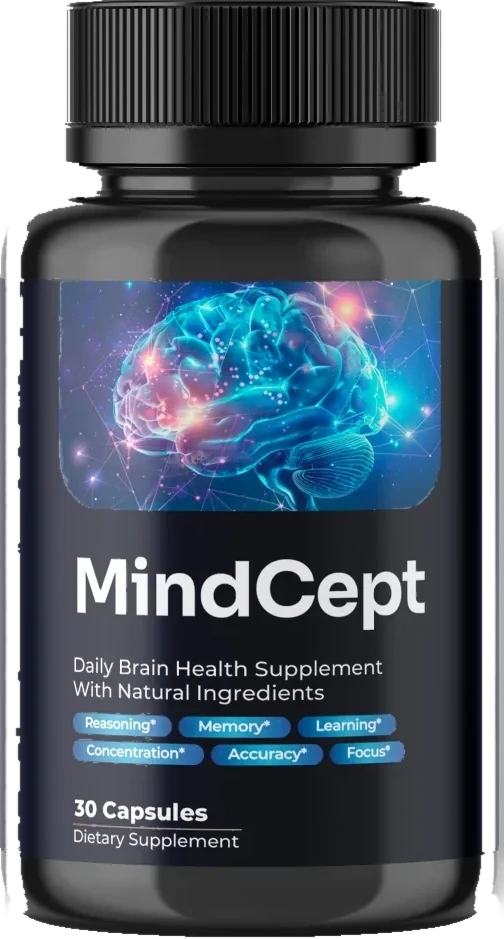
Want more studied ingredients than two?
If Neuriva's two-ingredient approach feels thin, a fuller-spectrum formula pairs standardised Bacopa and L-theanine with phosphatidylserine on a label that discloses every dose.
See the Official OfferThree objections worth answering honestly
"But the box says clinically tested." It does, and that phrase is doing a lot of quiet work. "Clinically tested" can mean one ingredient was tested once, in a small study, measuring a marker rather than memory. It is not a lie; it is simply not the same as "the finished product is proven to improve your memory." Reading past that phrase is the single most valuable skill a supplement buyer can have, and our walkthrough of how to read a brain supplement facts panel shows exactly how.
"It is sold everywhere, so it must be effective." Wide distribution reflects marketing budget and retail relationships, not evidence. Supplements are regulated as food, not drugs, so a product reaches shelves without any efficacy review. Neuriva is popular because it is advertised heavily and priced accessibly — both real advantages for getting people to try a brain supplement, neither of them proof it works.
"I did not feel anything, so it failed." This one cuts the other way, in Neuriva's favour. Because its ingredients are slow and cumulative, feeling nothing on day three is expected, not a failure. The mistake is quitting early. The matching mistake is expecting a stimulant lift the product was never designed to deliver.

Neuriva vs a fuller-spectrum alternative
Neuriva's simplicity is a real feature. Two disclosed ingredients are easy to understand, easy to tolerate and hard to over-hype. The trade-off is coverage: you are betting on coffee-fruit extract and phosphatidylserine and nothing else. Readers who want a broader nootropic stack — more of the ingredients with human evidence, on one label — will find a two-ingredient formula limiting.
This is the honest place to disclose our stake and name the alternative. We publish this site as an independent affiliate for Mindcept, which pairs standardised Bacopa monnieri and L-theanine with the same phosphatidylserine Neuriva uses, then adds ginkgo, rhodiola and lion's mane, all on a full-disclosure panel at one capsule per serving. For memory support specifically, standardised Bacopa has stronger, more independent evidence than coffee-fruit extract — a twelve-week randomised trial in 98 adults over 55 found better verbal learning and delayed recall at 300 mg a day — so a formula built around it starts from a better base. That does not make switching automatic — more ingredients help only when each is dosed to matter, so compare dose by dose and price per day, exactly as our 2026 buyer's guide to the best brain supplements lays out.
Neuriva, Neuriva Plus and a fuller-spectrum option at a glance
| Factor | Neuriva | Neuriva Plus | Fuller-spectrum formula |
|---|---|---|---|
| Core actives | Coffee-fruit + phosphatidylserine | Same + B6, B12, folate | Bacopa, L-theanine, PS, ginkgo, rhodiola, lion's mane |
| Label type | Disclosed, short | Disclosed, short | Full disclosure, per ingredient |
| Strongest evidence | PS for age-related memory | PS + B-vitamin support | Standardised Bacopa for memory |
| Speed | Slow, cumulative | Slow, cumulative | Bacopa slow; L-theanine same-day calm |
| Best for | Simple, gentle daily start | Simple start + B-vitamin gap | Broader daily focus and memory support |
Price per day and the verdict
Do not judge Neuriva on the sticker price; judge it on cost per day. Divide the price by the number of days the bottle lasts, then repeat for Plus and for any alternative, and compare like for like. Neuriva tends to be accessible, which is a genuine point in its favour for a first-time buyer who wants a low-commitment way to try phosphatidylserine. Neuriva Plus costs more per day for the B-vitamin add-on, which is worth it only if you actually need those vitamins.
The verdict of this Neuriva review: it is an honest, well-tolerated, transparently labelled two-ingredient supplement whose evidence is real but modest and, for the coffee-fruit component, thin and industry-funded. It is a fine gentle starting point. It is not the strongest memory formula available, and readers who want more studied ingredients — especially standardised Bacopa — have better-covered options. Whichever way you go, give it eight weeks and compare per day, not per bottle.
Who Neuriva suits, and who should look elsewhere
Neuriva is a reasonable pick if you want a low-commitment, gentle first step into brain supplements, prefer a short label you can actually understand, and specifically want phosphatidylserine without a stimulant. It is caffeine-free, widely stocked and easy to tolerate, which makes it a sensible trial for someone who has never taken a nootropic and does not want to think about six ingredients at once. For that reader, the modest evidence is an honest trade for simplicity.
Look elsewhere if you want more of the ingredients that have human evidence on one label, if standardised Bacopa monnieri is a priority for memory support, or if you want to verify doses against the published research rather than accept two headline actives. In those cases a fuller-spectrum, fully disclosed formula gives you more to work with for a comparable or lower cost per day. Whichever camp you fall into, the decision is easier once you have run the numbers per day and given the product an honest eight-week window instead of judging it on the first week.
Neuriva's short, disclosed label is a real strength. Its evidence is real but modest — treat "clinically tested" as a starting point to verify, not a finish line to trust.
Medical note: this article is general information, not medical advice. Speak to a healthcare professional before starting any supplement, especially if you are pregnant, nursing, taking medication or managing a health condition.
Frequently asked questions
Does Neuriva actually improve memory?
Neuriva's two headline ingredients each have some human data, but it is thin. The coffee-fruit extract Neurofactor is backed largely by small, short, industry-funded studies measuring a protein called BDNF rather than everyday memory, and phosphatidylserine has modest evidence for age-related memory support. That is a reasonable starting point, not proof that the finished product improves memory. Like every over-the-counter brain supplement, Neuriva cannot treat any disease, and results vary from person to person.
What are the main ingredients in Neuriva vs Neuriva Plus?
Original Neuriva is built on two actives: coffee-cherry extract (branded Neurofactor) and phosphatidylserine. Neuriva Plus keeps those two and adds B vitamins, typically B6, B12 and folate, to support the nervous system. Neither version contains stimulant-level caffeine, and both use a short, disclosed ingredient list rather than a large proprietary blend. Neuriva Plus is the more complete of the two but is also priced higher per day.
Are there better alternatives to Neuriva?
It depends what you want. Neuriva is a simple two-ingredient formula, so if you want a broader nootropic stack with more studied ingredients, a fuller-spectrum product may suit you better. Mindcept, for example, pairs standardised Bacopa monnieri, L-theanine and phosphatidylserine with ginkgo, rhodiola and lion's mane on a full-disclosure label. Better is not automatic, though: compare dose by dose and price per day before switching, because more ingredients only help when each is dosed to matter.
How long does Neuriva take to work?
Neuriva's own marketing frames it as a daily supplement taken over weeks, not a fast-acting pill, and that framing is honest to the ingredients. Phosphatidylserine and coffee-fruit extract are the slow, cumulative kind, so give any trial at least four to eight weeks of consistent daily use before deciding. If you expect a same-day lift in focus, this is the wrong category of product; that quick effect comes from caffeine and L-theanine, which Neuriva does not rely on.
Related reading
Scientific references
- NIH Office of Dietary Supplements — Dietary supplements: what you need to know
- NIH NCCIH — Dietary and herbal supplements
- Reyes-Izquierdo T. et al. — Modulatory effect of coffee fruit extract on plasma levels of brain-derived neurotrophic factor in healthy subjects, British Journal of Nutrition (2013)
- Kato-Kataoka A. et al. — Soybean-derived phosphatidylserine improves memory function of the elderly Japanese subjects with memory complaints, Journal of Clinical Biochemistry and Nutrition (2010)
- NIH NCCIH — Using dietary supplements wisely: labels, doses and safety
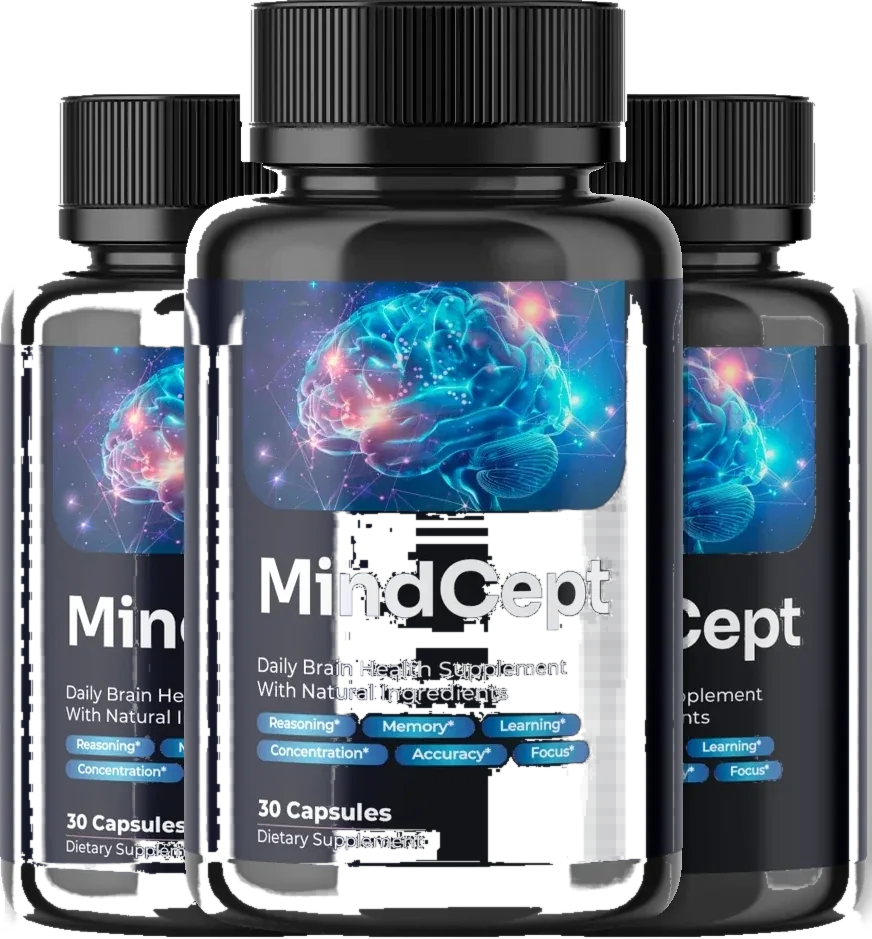
Prefer a fuller-spectrum, transparent label?
Standardised Bacopa and L-theanine alongside the same phosphatidylserine Neuriva uses, plus ginkgo, rhodiola and lion's mane — every dose printed, one capsule per serving. Buying direct also settles the where-to-buy question: current label, traceable lot, one guarantee.
Check the Official Store