How to Verify a Supplement's Official Website Before You Buy
Quick answer: how do you verify a supplement's official website and support contact?
A supplement's official website is the domain the seller itself names — on the bottle, in the order confirmation email, and inside its own terms and privacy policy — and it is the domain the checkout stays on at payment. Before paying, confirm three things: a contact route named in the terms, a refund window with a stated deadline and return address, and a price and bundle matching the ones on that same domain.
- The domain test: the checkout must not hop to an unrelated domain at the payment step.
- The contact test: a named email, ticket queue or phone line, published before you pay.
- The terms test: a refund deadline, a return address and a readable company name.

Most of the anxiety around buying a supplement online is not about the supplement. It is about not knowing who you handed your card details to, and whether anybody will answer if the parcel never arrives. Those questions can be settled in minutes, and the checks below are deliberately generic: they are identical for a nootropic, a probiotic or a joint formula.
What counts as a supplement's official website?
A supplement's official website is the single domain the seller operates for that product, on which its own terms, privacy policy, refund policy and checkout all live. That sounds obvious until you notice how many pages call themselves "the official site" while being an affiliate page, a marketplace listing resold by a third party, or a scraped clone that exists only to take payments.
The distinction matters for one practical reason. Every promise attached to a purchase — the guarantee, the return address, the support queue, the price — is made by whoever runs the checkout. Buy anywhere else and the brand's guarantee does not follow you, which is the ordinary reason people end up holding a bottle nobody will refund. Note too what an official website is not: not necessarily the first result you see, since the top of a results page is often paid placement.
How to tell an official supplement website from a copycat store
Four checks, fastest first.
- Start from a source the seller controls. The URL printed on the bottle or carton, or the link in an order confirmation email, beats any search result. Failing that, the brand's own terms and privacy policy name its domain in the body text — a clone usually forgets to change that.
- Watch the domain at the payment step. A legitimate checkout stays on the seller's domain or moves to a named, recognisable payment processor. A hop to an unrelated domain carrying a near-miss spelling of the brand is the most reliable warning sign there is.
- Read the terms for a company and an address. A real seller names a legal entity, a return address and a refund deadline. A clone ships boilerplate with the placeholders still in it, or has no terms page.
- Compare the offer against itself. If a page advertises a price or bundle that does not exist on the domain where you pay, you are looking at two businesses. The US Federal Trade Commission's consumer guidance on online shopping makes the same point: establish who the seller is, what the total price is and what the return terms are before you pay.
One further habit: pay by card. Card networks and payment platforms carry dispute processes that bank transfers and cryptocurrency do not, so a seller accepting only the irreversible methods has told you something.
Does a direct-to-consumer supplement brand have a phone number?
Often it does, but the number lives on the seller's own contact or support page and in the order confirmation email rather than across the sales page. Plenty of direct-to-consumer brands run support entirely through email or a ticket queue instead, which is both legal and increasingly normal.
So do not treat a missing phone number on a sales page as proof of anything by itself. Treat the absence of any published contact route as decisive. What you are testing is whether a channel exists, whether the terms name it, and whether it answers inside the refund window — not whether it is a telephone. Look in this order: the order confirmation email; the contact or support page; the checkout footer; the terms, which normally repeat the support address because refund instructions must point somewhere; and the packing slip. If all five come up empty, you have your answer before spending anything.
How to use a money-back guarantee without losing it
A money-back guarantee is a commercial term about your money, not a clinical claim about the product. It is offered because most buyers never claim it, and it caps what a wrong decision costs you. The mistakes people make with it are procedural.
- Diarise the deadline the day the parcel arrives. Some policies count from purchase and others from delivery.
- Read who pays return shipping, and whether empty bottles go back. Both are common and easy to miss.
- Put the request in writing before the deadline. The timestamped request is the evidence; the reply is not.
- Keep the order number, confirmation email and tracking. That is the file a card dispute will ask for.
If a seller goes silent, the card issuer or payment platform is the next step, not the last resort. The FTC's Mail, Internet, or Telephone Order Merchandise Rule also obliges US sellers to meet shipping deadlines and refund promptly when they cannot.
Why verifying the seller matters more for supplements than for most purchases
Supplements are regulated as food, not as drugs, so no agency reviews a formula for effectiveness before sale. The NIH Office of Dietary Supplements' consumer guidance is explicit that manufacturers carry responsibility for their own products' safety and labelling, which puts the checking on the buyer.
The risk is not evenly spread, either. An analysis of the US Food and Drug Administration's tainted-products database published in JAMA Network Open identified hundreds of supplements containing unapproved pharmaceutical ingredients that never appeared on the label, overwhelmingly in the weight-loss, sexual-enhancement and sports categories. A national US surveillance study in the New England Journal of Medicine separately estimated roughly 23,000 emergency-department visits a year linked to supplement adverse events. Neither makes supplements dangerous as a class. Both make knowing your seller something other than paranoia.
It is also why the label deserves more attention than the sales copy. Our guide to reading a Supplement Facts panel properly covers whether an ingredient is present at the amount used in research or merely enough to print — the question a verified seller cannot answer.
Five red flags that should stop a purchase
| Red flag | Why it matters |
|---|---|
| The checkout jumps to an unrelated domain | You are paying a different business from the one that promised |
| No terms, refund policy or company name anywhere | There is nothing to enforce and nobody named to enforce it against |
| No contact route published before payment | A support channel that appears only after you pay may not appear at all |
| Countdown timers that reset when you refresh | Manufactured urgency, designed to stop you running these checks |
| Claims to treat, cure or prevent a disease | Supplements may not legally make disease claims, so the claim is itself the warning |
That last row is worth dwelling on. A page promising to reverse a diagnosed condition has shown it will say what it is not allowed to say — grounds for assuming it will be equally relaxed about honouring a refund. The FTC's guidance on avoiding scams lists the same tactics.
What this checklist cannot tell you
Verification answers a commercial question, not a scientific one. A seller can be entirely legitimate — real company, real support queue, refunds honoured within a week — and still sell a formula dosed too low to do anything. Nor can it tell you whether a product will work for you; nothing can, in advance. Only a properly run personal trial does that, which is why we set out how to change one variable at a time and read the result honestly. And on a direct-sold product there is no independent register of buyers, the structural problem behind our piece on what buyers report and how to judge feedback you cannot verify.
Applying the checks to Mindcept
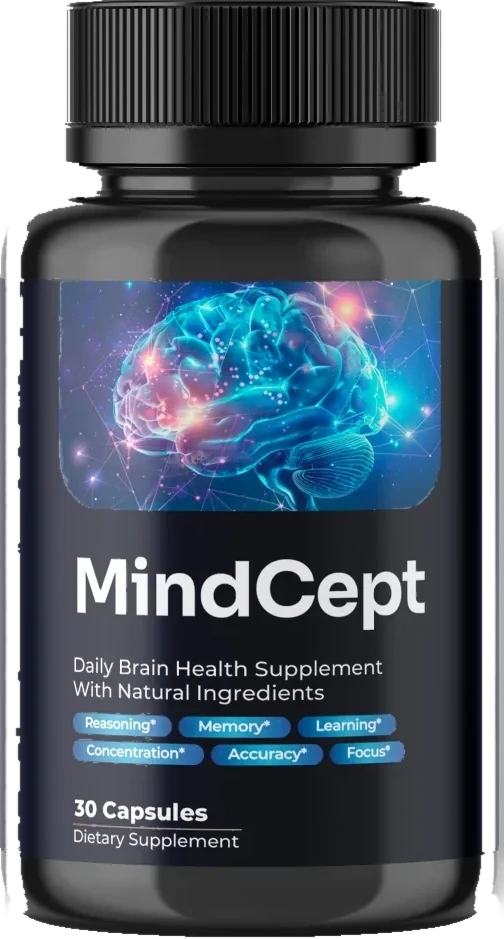
For transparency, here is where this site sits in that picture. It is an independent affiliate publisher, not the Mindcept manufacturer and not the Mindcept seller. It does not process orders, cannot see, change, cancel or refund a purchase, and does not run a customer-service telephone line for orders.
Editorial questions, corrections and privacy requests go to our contact page and are answered by email. Anything touching an order — tracking, cancellations, or the 60-day money-back guarantee — belongs with the official Mindcept store, whose support details arrive in the order confirmation email and appear on its own contact page. Mindcept is sold there as capsules, not gummies and not liquid drops, so a listing offering either is not the product. Price and terms are set by the seller and can change, so confirm them there. If you are choosing between formulas rather than sellers, our 2026 buyer's guide to brain supplements scores products on disclosed dosing and the nootropic supplement guide covers judging an ingredient list.
Medical note: this article is general consumer information, not medical or legal advice. Dietary supplements are not intended to diagnose, treat, cure or prevent any disease. Speak to a healthcare professional before starting any supplement, especially if you are pregnant, nursing, taking medication or managing a health condition.
Frequently asked questions
How do you find a supplement's official website?
Start from a source that is not a search advertisement: the URL printed on the bottle or outer carton, the link in your order confirmation email, or the domain named in the brand's own privacy policy and terms. Then confirm the checkout runs on that same domain, that the terms name a company and a return address, and that the refund window matches what the sales page promised. A store that redirects to a different checkout domain, or has no terms page, is not the seller.
Does a direct-to-consumer supplement brand have a phone number?
Often it does, but the number is usually published on the seller's own contact or support page and repeated in the order confirmation email rather than advertised on the sales page. Many direct-to-consumer brands run support through an email or ticket queue instead, which is legal and common. What matters is whether a channel exists, is named in the terms, and answers inside the refund window.
What should you do if support does not reply before the guarantee expires?
Send the refund request in writing before the deadline rather than waiting for a reply, keep the timestamped copy, then raise a dispute with the card issuer or payment provider you used. The request sent inside the window is the evidence that matters. Chargeback routes exist for the case where a seller goes quiet, and paying by card is what keeps that route open.
Is a money-back guarantee proof that a supplement works?
No. A guarantee is a commercial term about your money, not a clinical finding, and it is offered because most buyers never claim it. It caps what a wrong decision costs you, but says nothing about whether the ingredients are dosed like the ones in published human trials. Read it for the deadline, the return address and who pays return shipping.
Scientific references
- U.S. Federal Trade Commission — Online shopping
- U.S. FTC — Mail, Internet, or Telephone Order Merchandise Rule
- U.S. Federal Trade Commission — How to avoid a scam
- NIH Office of Dietary Supplements — Dietary supplements: what you need to know
- Tucker J. et al. — Unapproved pharmaceutical ingredients in dietary supplements associated with US FDA warnings, JAMA Network Open (2018)
- Geller A.I. et al. — Emergency department visits for adverse events related to dietary supplements, NEJM (2015)
- NIH NCCIH — Dietary and herbal supplements
Related reading
Check the official store, the price and the guarantee yourself
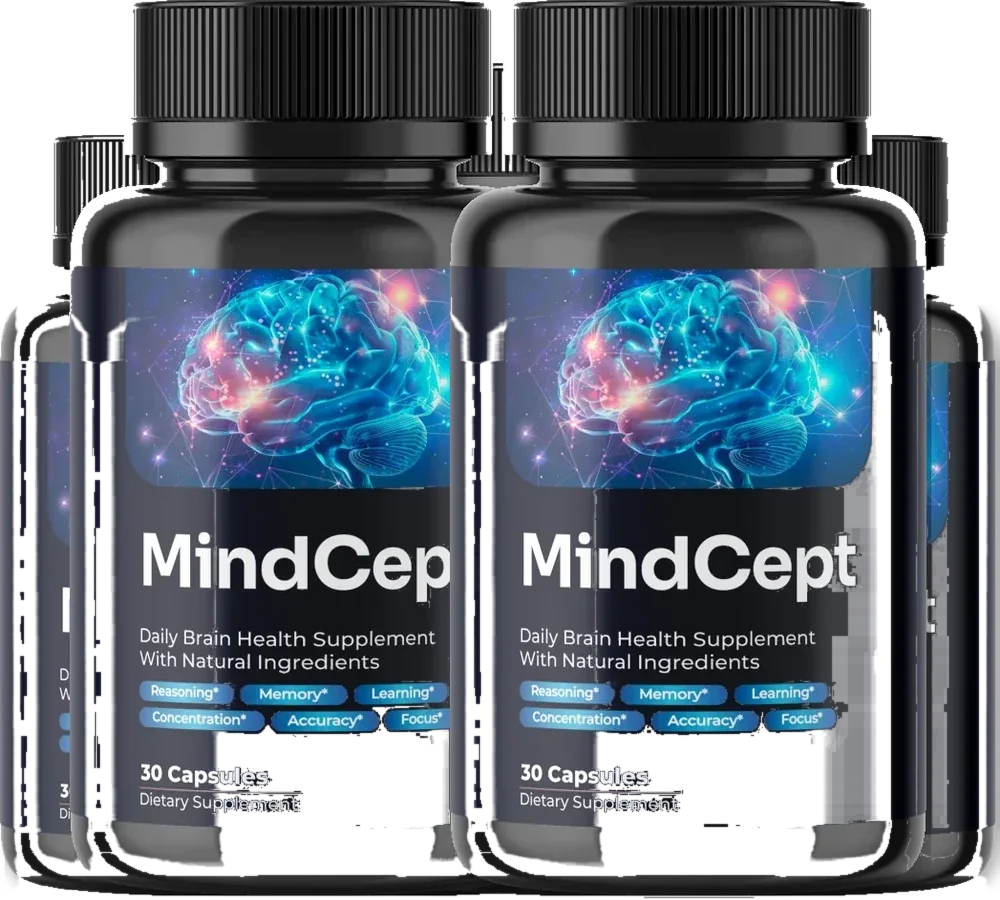
Do not take our figures on trust — that is the point of this article. Open the official Mindcept store, read the current price and the 60-day guarantee terms in the seller's own words, then decide.
Check the Official Store