Best Brain Supplement That Works for Teens: Caffeine Limits and Safety Basics
Quick answer: what is the best brain supplement that works for teens?
For most teenagers the honest answer is none of them, and the reason is not squeamishness — it is that adolescent safety data barely exists for the ingredients these products are built on. Adult focus formulas are dosed for adult body weight, are labelled 18 and over, and frequently carry stimulant loads well above the caffeine guidance paediatric bodies give for under-18s. Anything a teenager takes should be decided with a doctor or pharmacist, ideally after sleep, meals and any diagnosed nutrient deficiency have been dealt with first.
- Caffeine: the 400 mg adult figure does not apply to adolescents — guidance is far lower.
- Adult formats: "for adults 18+" on a label is a boundary, not a formality.
- First move: sleep, food and a clinician — before any bottle.
Why adolescent caffeine guidance is lower than adult guidance
The number most people have heard — up to about 400 mg of caffeine a day — comes from guidance written for healthy adults. It was never intended to describe a fifteen-year-old, and applying it to one is the most common mistake in this whole conversation.
Adolescents differ in three ways that matter. Body weight is lower, so the same milligram dose produces a higher concentration per kilogram. Caffeine tolerance is usually lower because habitual intake is lower, which makes side effects like jitteriness, palpitations and anxiety more pronounced at doses an adult would not notice. And the effect on sleep lands on a group that is already chronically short of it: adolescents need roughly eight to ten hours a night, most get considerably less, and caffeine taken after early afternoon delays sleep onset and shortens total sleep. That produces a self-reinforcing cycle in which yesterday's caffeine creates today's tiredness, which is treated with more caffeine.
Paediatric bodies have been direct about it. The American Academy of Pediatrics clinical report on sports drinks and energy drinks, published in Pediatrics in 2011, concluded that caffeine-containing energy drinks have no place in the diet of children and adolescents, and several national health agencies suggest an upper limit for children and adolescents in the region of 2.5 mg of caffeine per kilogram of body weight per day. For a 50 kg teenager that works out at roughly 125 mg — about one small coffee, and well under a single large energy drink.
Where the caffeine actually hides
Parents tend to police coffee and miss everything else. Caffeine reaches teenagers mostly through drinks and products nobody thinks of as coffee, and in supplement form it frequently appears under a botanical name.
Guarana, green tea extract, yerba mate, kola nut and "coffee fruit" are all caffeine sources. A label can therefore contain a substantial stimulant dose without the word caffeine appearing in the ingredient list at all, and when those sources sit inside a proprietary blend the total is genuinely unknowable. Pre-workout powders are the extreme case: single scoops commonly carry stimulant loads at or beyond the adult daily guidance, and the scoop is not always the serving. The consequences show up in the surveillance data — a national US study of supplement-related emergency-department visits in the New England Journal of Medicine estimated about 23,000 such visits a year and found that weight-loss and energy products accounted for 71.8% of the cases involving palpitations, chest pain or a racing heart, most of them in people aged 20 to 34.
Typical caffeine content, and what it means for a 50 kg teenager
| Source | Typical serving | Typical caffeine (varies by brand) | Share of a ~125 mg adolescent guide |
|---|---|---|---|
| Brewed coffee | 8 oz / 240 ml | around 95 mg | most of a day's guide |
| Black tea | 8 oz / 240 ml | around 40–50 mg | roughly a third |
| Cola | 12 oz / 355 ml | around 30–40 mg | roughly a quarter |
| Energy drink | 16 oz / 473 ml | commonly 150–200 mg | over the guide in one can |
| Energy "shot" | 2 oz / 60 ml | often around 200 mg | well over the guide |
| Pre-workout powder | 1 scoop | frequently 150–300 mg | far over the guide |
| Adult focus capsule | 1 serving | 0 mg to 200 mg — check the label | unknown without disclosure |
Figures above are typical ranges published for common products and vary considerably between brands and preparation methods; the label on the actual container is the only number that applies to your household. The pattern, though, is robust: one energy drink can exceed a whole day's adolescent guidance, and a teenager who has one after school has also, in effect, made a decision about tonight's sleep.
Why adult-format focus products are inappropriate for under-18s
Parents searching for the best brain supplement that works for teens usually land on adult products, because adult products are what the category consists of. They are formulated around adult physiology and adult body weight, and their labels say so. Two of the category leaders make the point: our breakdown of the Alpha Brain proprietary blends and our comparison of the FocusFactor vitamin-led panel both describe formulas whose doses were set from adult trials, with no adolescent dosing work behind them. Treat "for adults 18 years and older" as a hard line, for four reasons.
Doses are set for adults. A 300 mg botanical dose derived from adult trials is not made appropriate for a 45 kg fifteen-year-old by opening the capsule and using half. Paediatric dosing is not adult dosing divided by a guess.
The trials were run in adults. Efficacy and, more importantly, safety findings for Bacopa, rhodiola, ginkgo and lion's mane come almost entirely from adult populations. Extrapolating to a still-developing brain and endocrine system is an assumption, not a finding.
Stimulant content is often undisclosed. As above, "energy" and "focus" formulas hide caffeine behind botanical names and blend totals.
Interactions matter more. Teenagers on medication for asthma, acne, mood, migraine or a diagnosed attention condition are a common case, and herbal ingredients interact with several of those. That is a pharmacist conversation, not a checkout decision.
There is also a plain compliance point worth making. No dietary supplement may claim to treat, prevent or cure a condition, and that includes attention difficulties. If a teenager is genuinely struggling to concentrate at school, the useful path is an assessment, not a bottle — and starting a supplement can delay the assessment that would have actually helped.
For the adults in the house
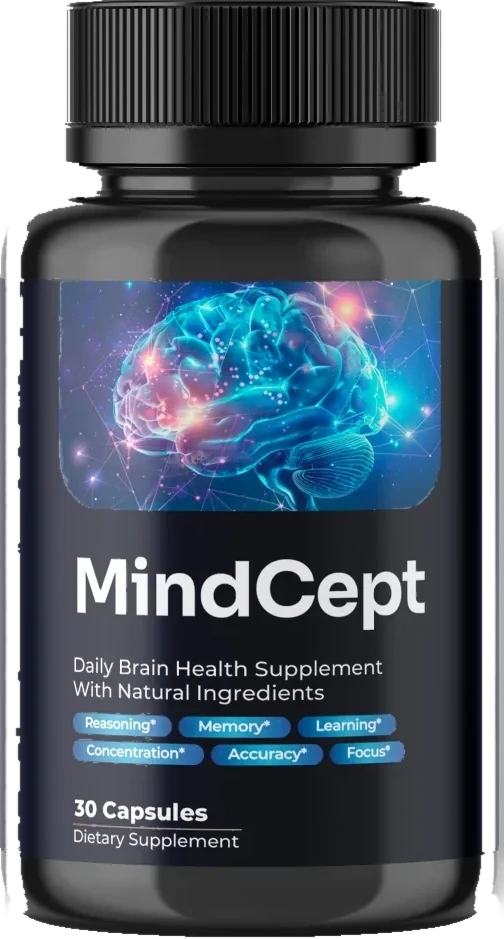
Formulas like this one are adult products, and that is exactly how we describe them. If you are an adult searching for a brain supplement without caffeine — or comparing options as one of the best brain supplement for college students picks for someone already over 18 — the disclosed label is where to start.
See the Official OfferThe ingredients with almost no adolescent data
It is worth being specific about how thin the evidence is, because "natural" tends to be read as "studied".
Bacopa monnieri has the strongest adult memory data of any botanical in this category, built over multiple randomised trials, and adolescent trials are scarce. Rhodiola has adult work on mental fatigue of variable quality and essentially nothing in teenagers. Ginkgo's adult record is mixed — the large prevention studies in older adults were essentially neutral — and it carries a bleeding-risk consideration that makes casual use in a sport-playing teenager a poor idea. Lion's mane has small, early adult studies and no meaningful adolescent literature. L-theanine is among the better tolerated and is present in ordinary tea, but that is not the same as a validated adolescent supplement dose.
Absence of evidence in teenagers is not evidence of harm. It does mean that nobody — not a brand, not a marketplace listing, not this page — can quote you a safe adolescent dose, because the study that would produce one has not been run.
What actually helps a teenager concentrate
The interventions with the strongest evidence for adolescent attention are unglamorous, free and impossible to sell, which is precisely why they get so little airtime.
Sleep. Adolescents need roughly eight to ten hours, biological sleep timing shifts later during puberty, and school start times rarely accommodate that. Short sleep produces inattention, irritability, slowed processing and poor working memory — a symptom picture that is easily mistaken for a supplement-shaped problem. Fixing sleep beats every product discussed on this page, and nothing on this page compensates for not fixing it.
Food, on a schedule. Skipped breakfast and a vending-machine lunch produce afternoon slumps that get treated with caffeine. Protein at breakfast and regular meals stabilise the day more reliably than any capsule.
Real deficiencies, properly diagnosed. Iron deficiency is common in menstruating adolescents and genuinely impairs concentration; vitamin B12 and vitamin D shortfalls occur too. These are blood tests and a doctor's decision, and correcting a documented deficiency is one of the few supplement interventions with a clear rationale in this age group.
Movement and screens. Physical activity supports mood, sleep and attention. Late-night screen use undermines all three. Neither is a headline, and both matter more than the shelf.
What to check with a clinician before anything
If, after all of that, a supplement is still on the table for a teenager, take the conversation to a professional with the actual product in hand. Bring the bottle or a clear photograph of the supplement facts panel — not the sales page — and ask a short list of questions.
- Is there any caffeine or other stimulant in this, including under a botanical name?
- Does anything here interact with the medications my teenager already takes?
- Is there any paediatric or adolescent safety data for these ingredients at all?
- Should we test for iron, B12 or vitamin D before adding anything?
- Is there a reason to think a nutrient is missing, given how they actually eat?
- What would make you want to stop this, and by when should we reassess?
Pharmacists are underused here. They will read a panel with you at the counter, check interactions against a database, and give a straight answer at no cost. If you want the underlying method for reading that panel yourself, our line-by-line guide to the supplement facts panel covers serving size, blends and standardisation, and the Mindcept ingredient breakdown shows what full disclosure looks like on an adult formula.
What this cannot do — the limits, stated plainly
This article cannot tell you that a particular product is safe for your teenager, and no honest article can. That decision needs a clinician who knows their weight, medical history and medication list. The caffeine figures above are typical published ranges rather than guarantees, because brands and brewing methods vary widely; the container in your kitchen is the only authoritative source for what is in it.
Nor can any supplement address a diagnosed condition. Attention difficulties, persistent low mood, anxiety and sleep disorders are medical matters with real assessment pathways and real treatments, and dietary supplements are not permitted to claim to treat, prevent or cure any of them. Where a teenager is genuinely struggling, the supplement aisle is a detour.
Finally, the search itself deserves scepticism. The question "what is the best brain supplement that works for teens" contains a premise — that a teenager's schoolwork is limited by a missing capsule — and that premise is commercial rather than clinical. In the overwhelming majority of cases the limiting factor is sleep, and what is being sold is caffeine.
Medical note: this article is general information, not medical advice, and the products discussed on this site are intended for adults. Speak to a doctor or pharmacist before giving any supplement to someone under 18.
Frequently asked questions
How much caffeine is safe for a teenager?
Adolescent guidance is far lower than the adult figure. The commonly cited 400 mg a day applies to healthy adults, while paediatric bodies advise that children and adolescents avoid energy drinks entirely and keep caffeine low, with several health agencies suggesting a limit around 2.5 mg per kilogram of body weight per day. For a 50 kg teenager that is roughly one small cup of coffee, not an energy drink.
Can teenagers take adult nootropic supplements?
Adult focus and nootropic formulas are labelled for adults, usually 18 and over, and that label should be treated as a boundary rather than a suggestion. Doses are set for adult body weight and adult physiology, most ingredients have never been tested in under-18s, and a smaller portion of an adult capsule is not a paediatric dose. Anything for a teenager should be decided with a doctor or pharmacist.
Which brain supplement ingredients have the least data in teens?
Almost all of the popular botanicals. Bacopa monnieri, rhodiola, ginkgo biloba, lion's mane and most herbal adaptogen blends have been studied mainly in adults, and adolescent trials are scarce or absent. Absence of evidence is not evidence of harm, but it does mean nobody can quote a safe teenage dose, so the honest position is that it is unknown.
What helps a teenager's focus more than a supplement?
Sleep, first and by a distance. Teenagers need roughly eight to ten hours a night and most get less, and short sleep looks exactly like an attention problem. After that come regular meals with protein, hydration, treatment of any diagnosed iron or B12 deficiency, physical activity and reducing late-night screen use. None of these are sold in a bottle, and all of them outperform one.
Scientific references
- Mayo Clinic — Caffeine: how much is too much, and typical content of common drinks
- American Academy of Pediatrics — Sports drinks and energy drinks for children and adolescents (PubMed)
- NIH NICHD — Sleep needs and sleep health across childhood and adolescence
- NIH Office of Dietary Supplements — Iron: deficiency, testing and supplementation
- NIH NCCIH — Energy drinks: what the research says
An adult formula, described as one
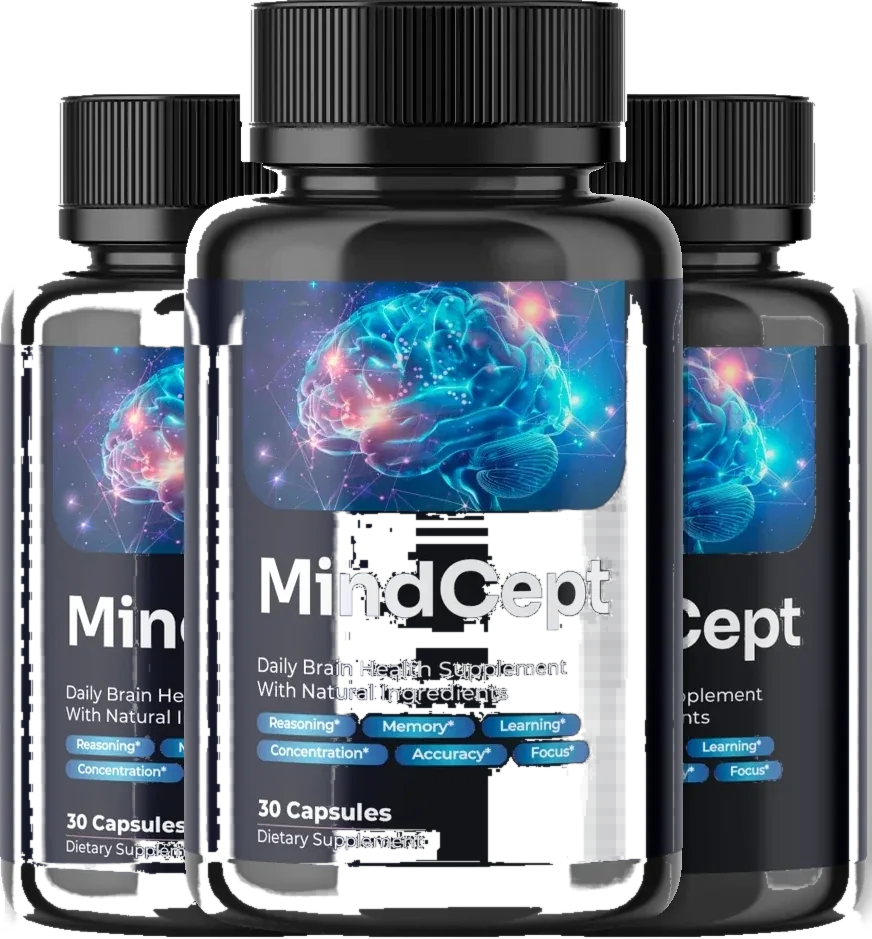
Mindcept is a daily nootropic capsule for adults, with every ingredient and amount printed rather than blended away. It is not for under-18s, and we would rather say that than sell a bottle to the wrong household.
Check the Official Store